Images,
and the systems
that make them.
Creative technologist, bridging creative and engineering. I design, build and consult on AI workflows and systems for studios, agencies, production companies and image‑led brands.


contact
Much of my practice has developed through a curiosity about how images are made, how they shape our understanding of the world, and the relationship between what we see and what we believe to be real.
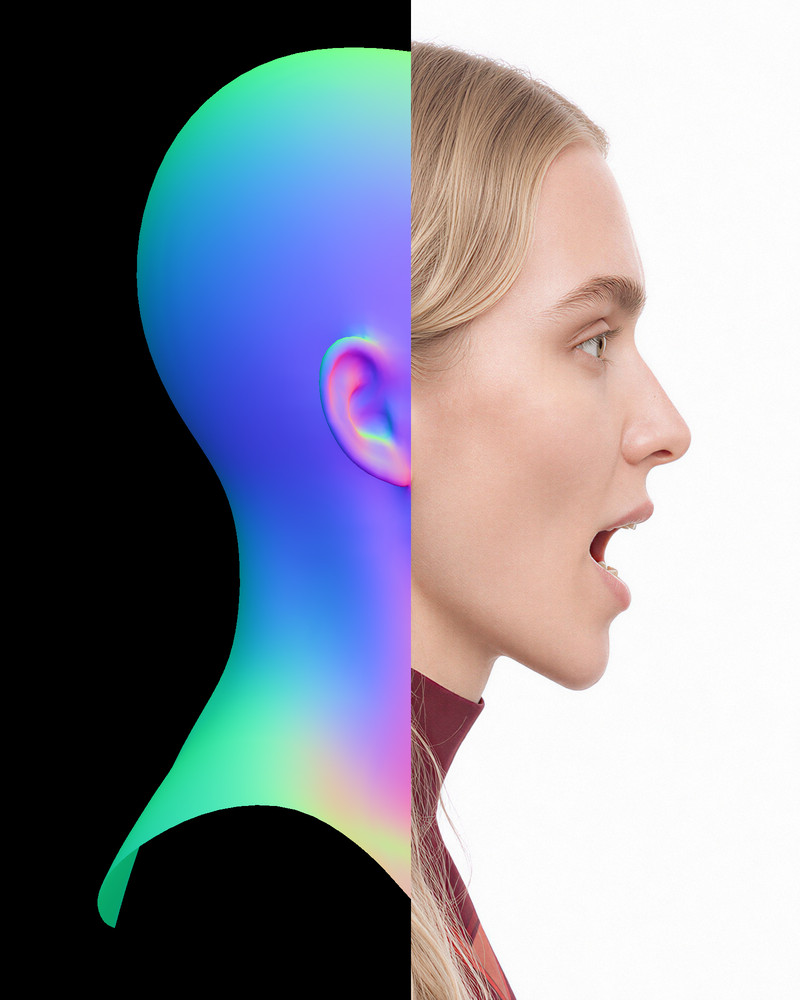
Photography provided an early means of investigating these questions, particularly through light, staging and the construction of visual experience. My interest in the mechanisms of image-making gradually extended into CGI, computational imaging, optical experiments and physical installations. Moving between these disciplines allowed me to investigate not only the appearance of images, but the underlying processes and technologies that make them possible.
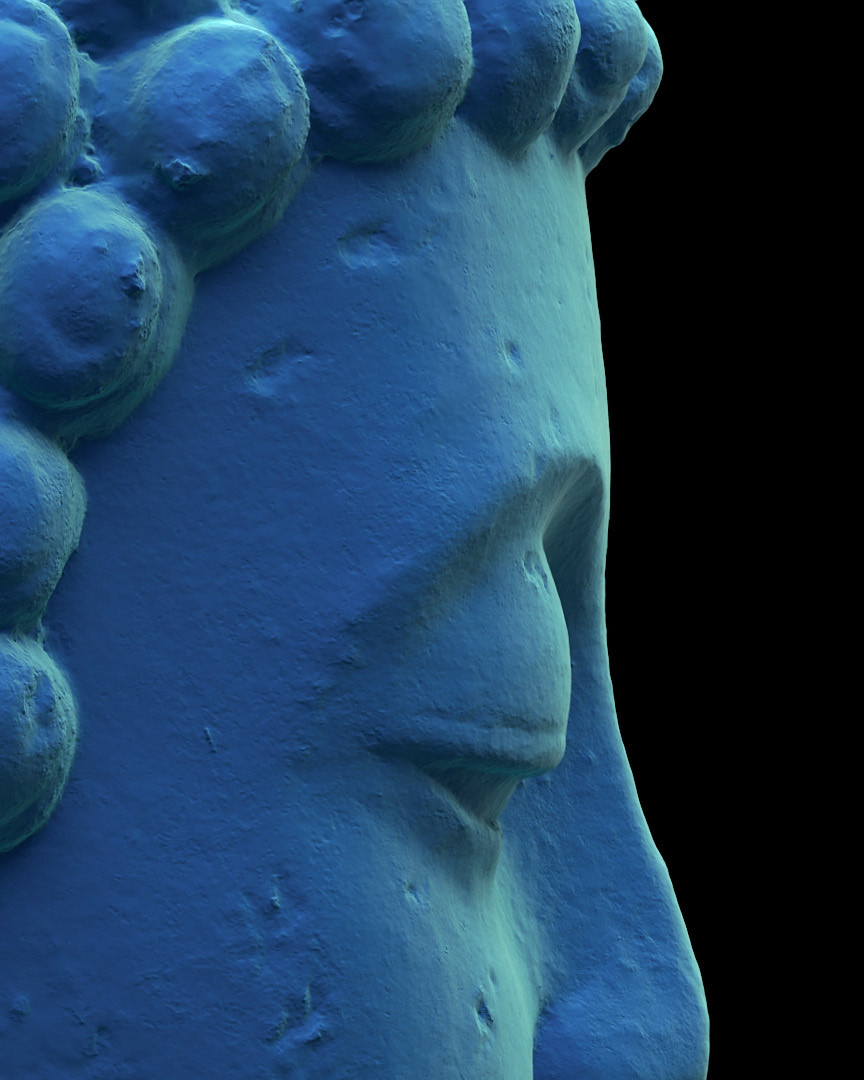
I've always been interested in understanding how things work. This often involves moving beyond the immediate application of a tool to examine its underlying principles, limitations and possibilities. I've designed and built photographic apparatus, experimented with material capture and reconstruction, investigated ways of manipulating light, and developed techniques that move between physical and virtual environments. Each investigation brings its own questions, often requiring knowledge from several disciplines and leading in directions I hadn't originally anticipated.
More recently, generative imaging has opened up another set of questions. These technologies offer extraordinary possibilities, but they also fundamentally change how images are constructed and controlled. Understanding their behaviour, identifying their limitations and developing ways to work beyond those limitations has become an important part of my practice.
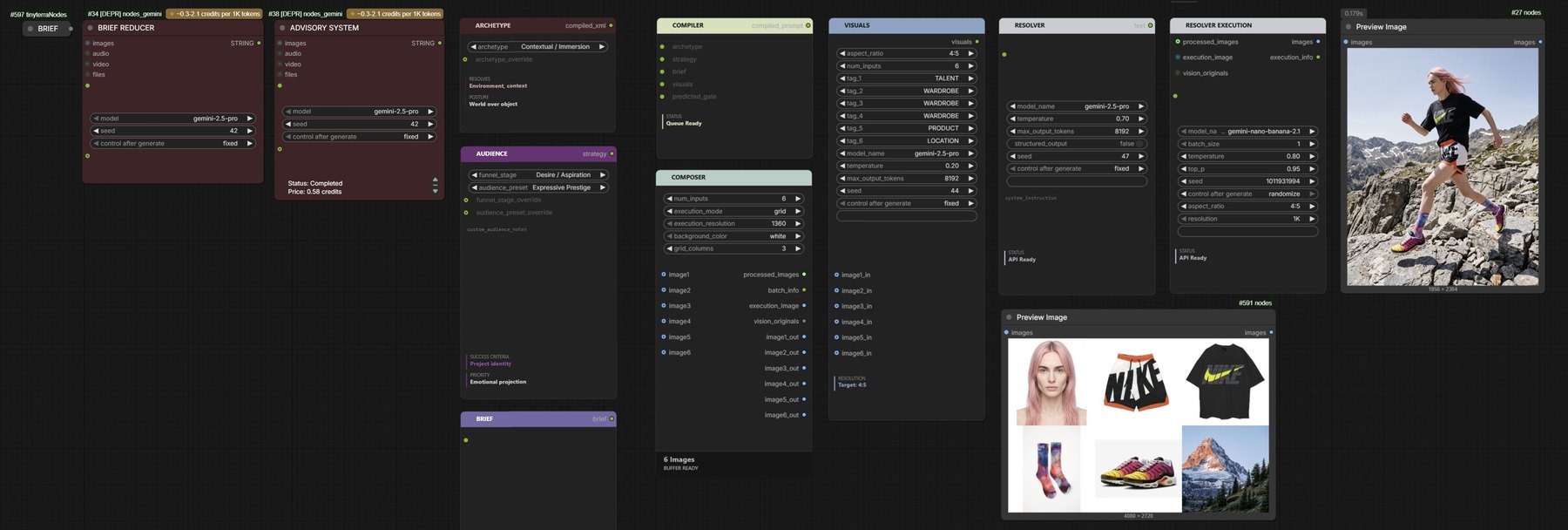
This has increasingly involved developing my own software, imaging pipelines, custom tools and agentic systems. I'm interested in how complex processes can be understood, structured and made accessible to intervention, but equally in what becomes possible when those processes can be approached differently. Building a tool is often as much an investigation as the work it enables.
The studies, systems and archive presented here reflect different aspects of this continuing enquiry. The technologies and methods have changed, but the underlying approach remains: to investigate things in sufficient depth to understand their possibilities, question their limitations and discover what else might be done with them.