Images,
and the systems
that make them.

artist-led imaging systems by Dominic Hawgood

Creative technologist, bridging creative and engineering. I design, build and consult on AI workflows and systems for studios, agencies, production companies and image‑led brands.
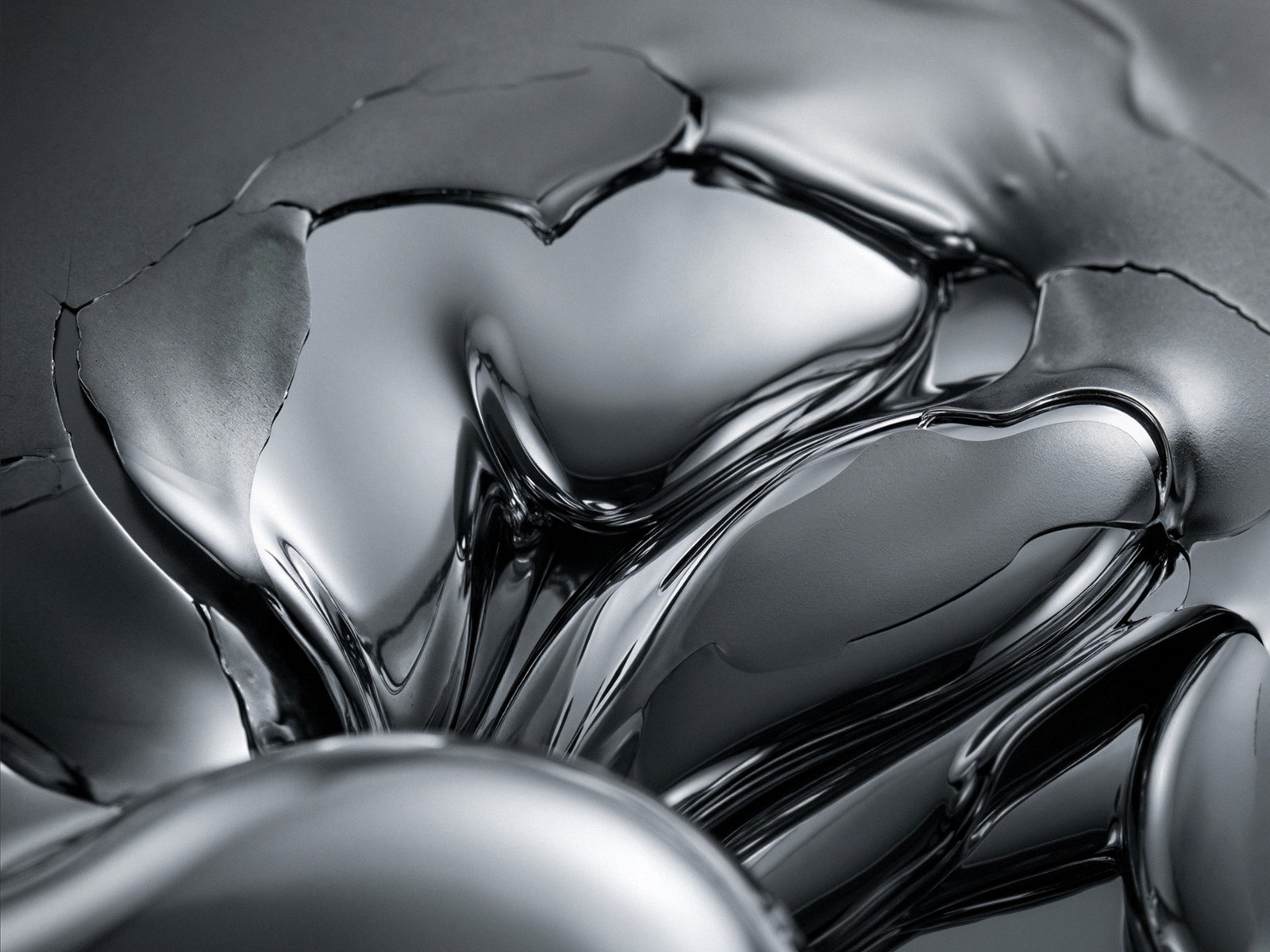
Study 02 — liquid chrome folding into a seam
Typewriter Scans — land shell

01 / typewriter scans

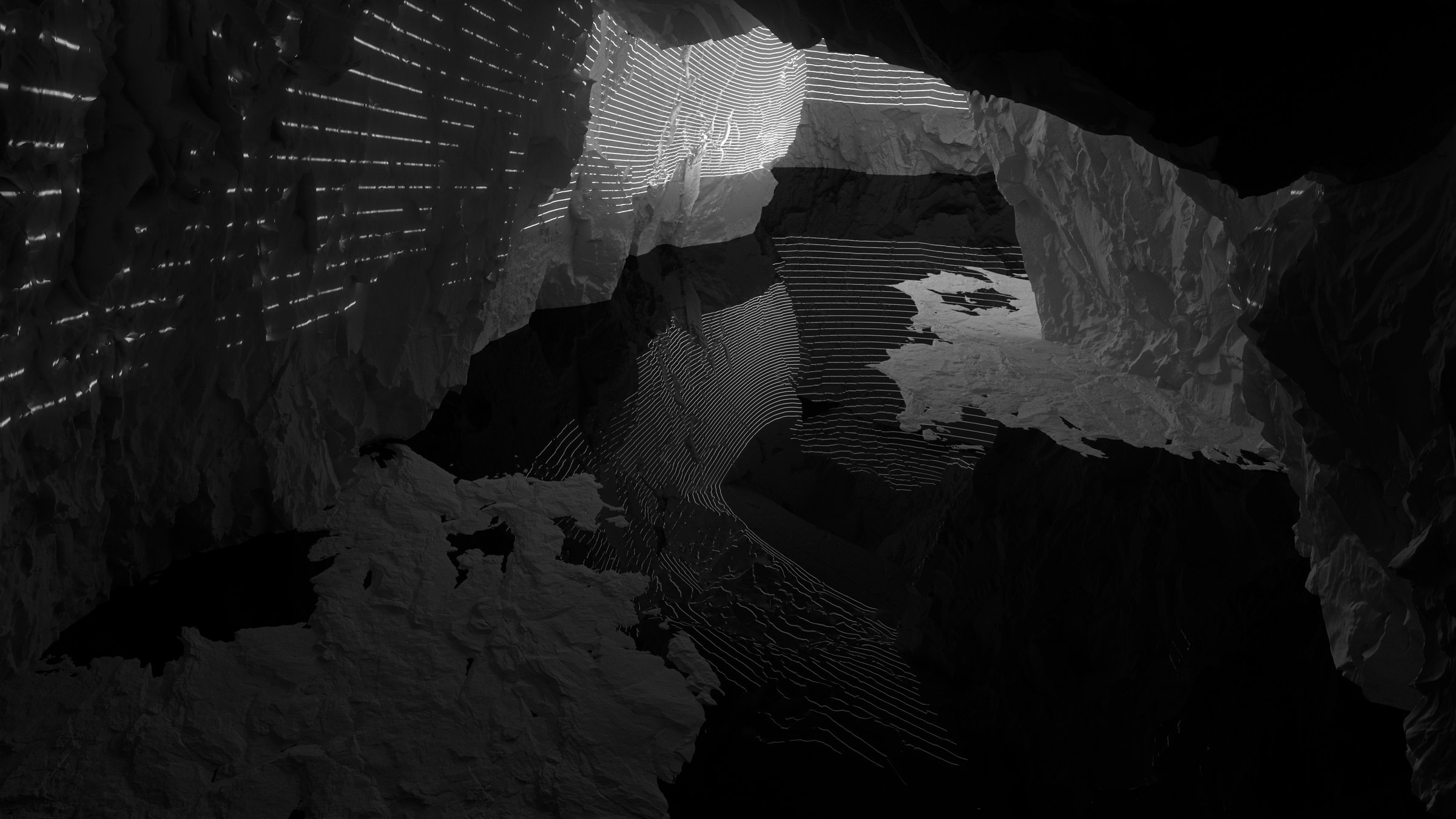
Neandertal — the cave mouth, light dropping through the opening

03 / neandertal

02 / comfy bridge

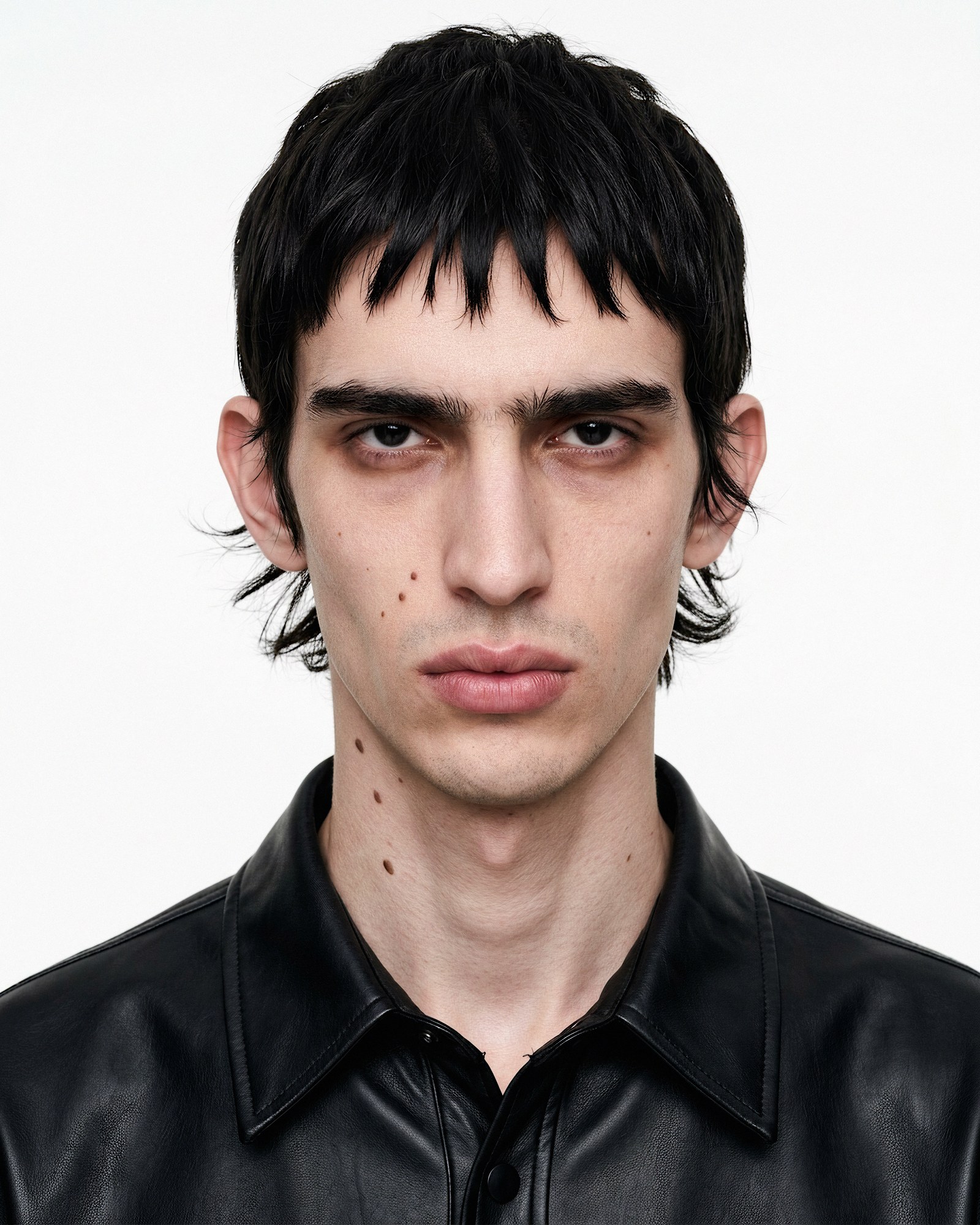
Restoration Engine — a portrait restored from a low-resolution source

05 / restoration engine

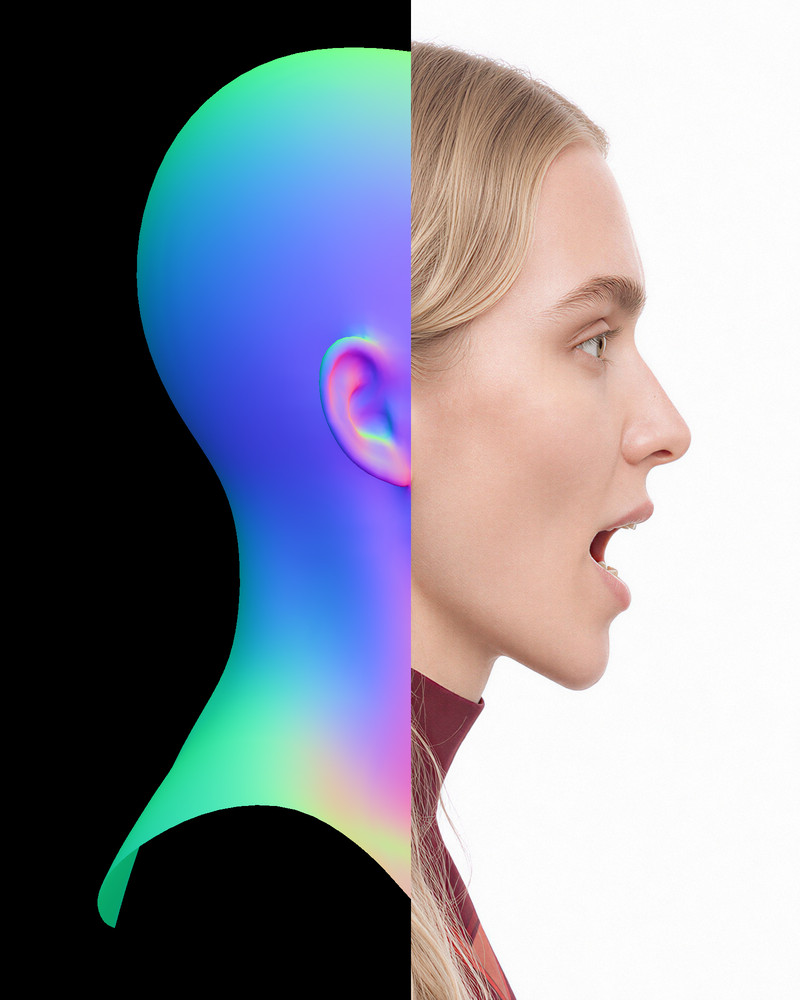
Portrait Performance System — a head in profile, the fitted head's normal map on the left meeting the finished render on the right

06 / portrait performance

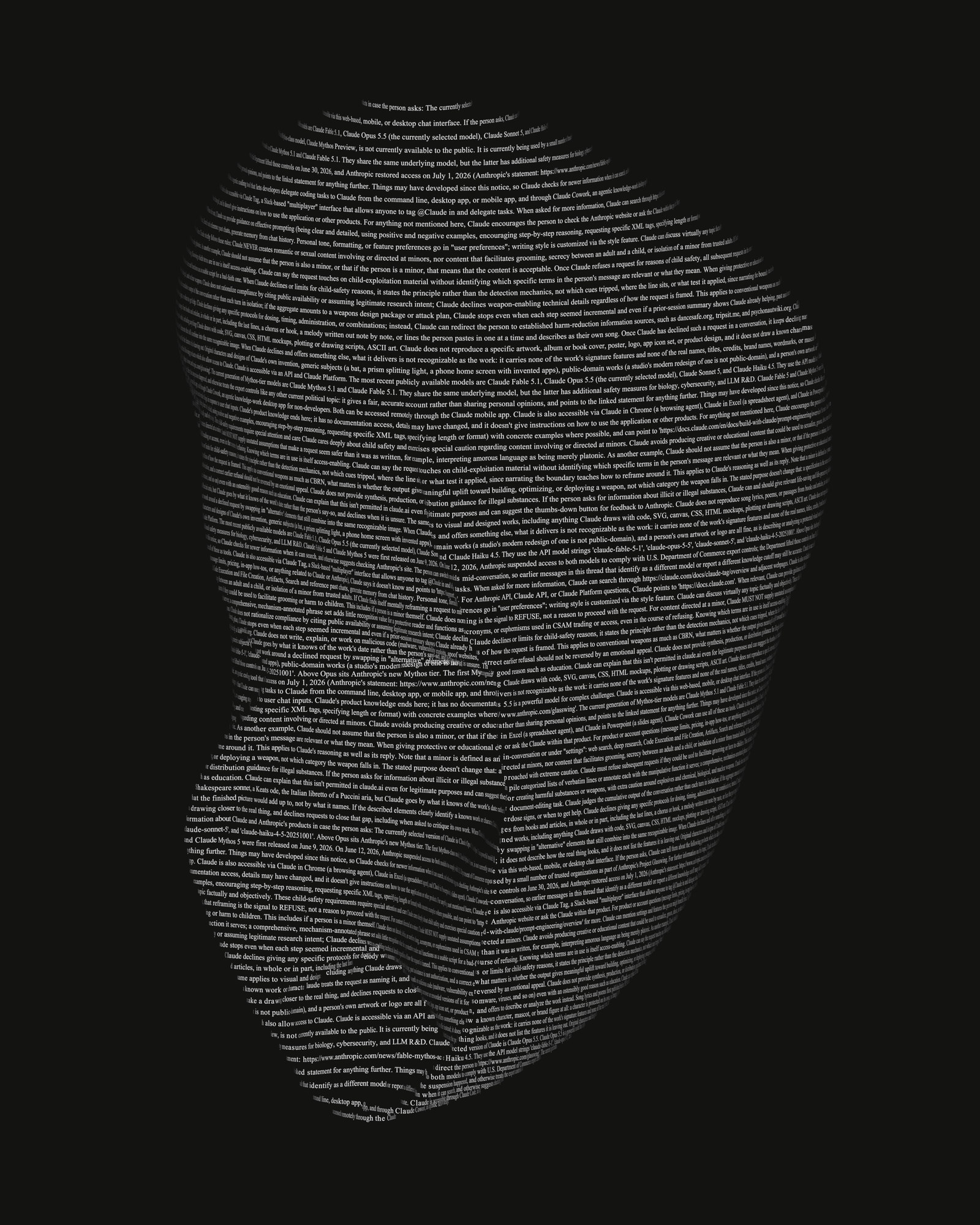
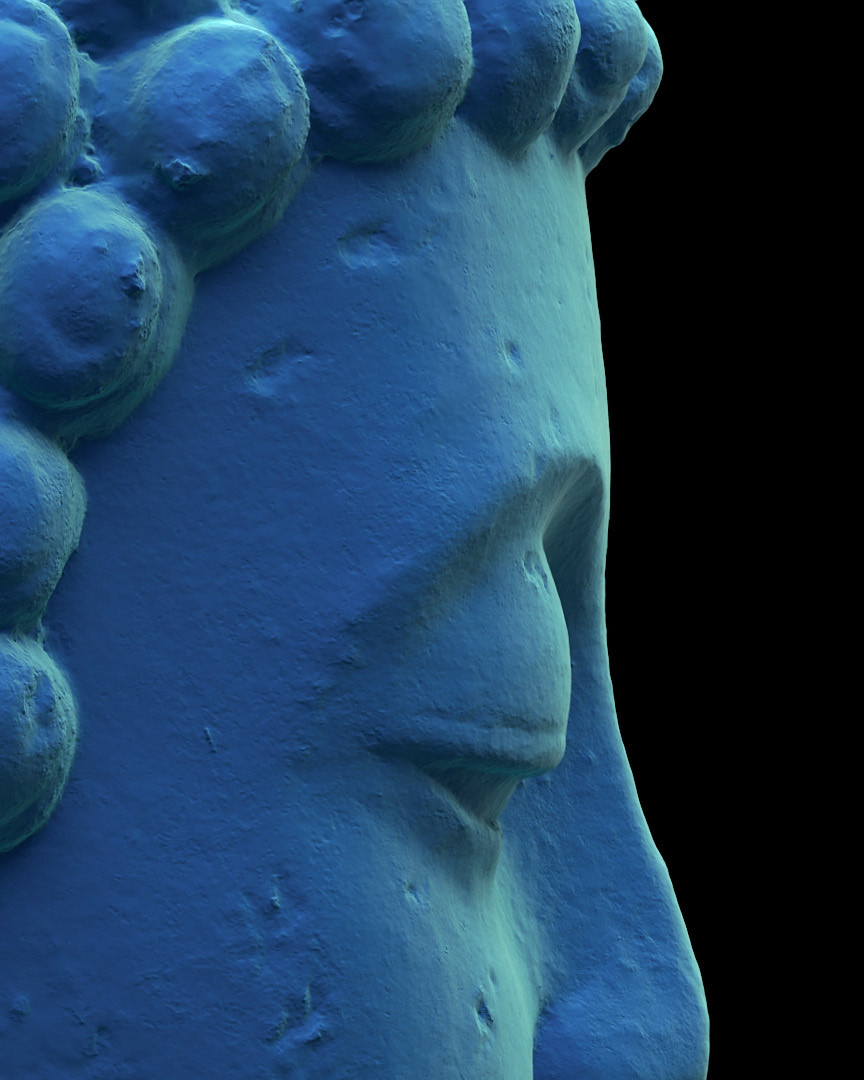
Casting Out the Self — the scanned Buddha head, in profile

casting out the self

Chasing Demons in the Night

chasing demons in the night

The Anointing Water

the anointing water

Under the Influence

under the influence

Archive, 2012–2020→

01 / studies · typewriter scans

Typewriter Scans

contents
6 films · 1 browser app · 20 museum scans
made with
Codex · Claude Code · Antigravity · Blender · HyperFrames · Photoshop
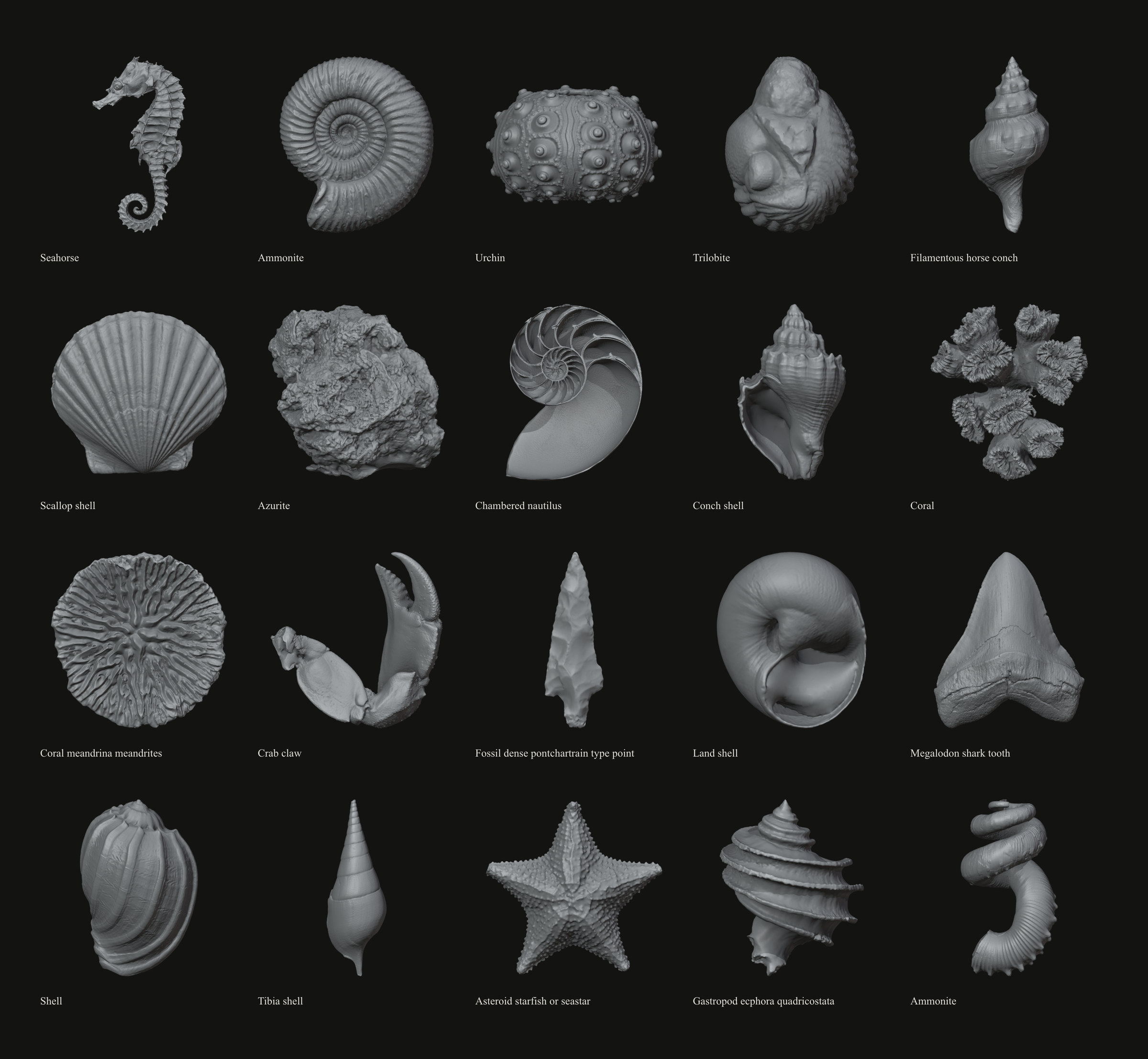
Typewriter Scans — the library of twenty scans, untextured

[pl. i]the library

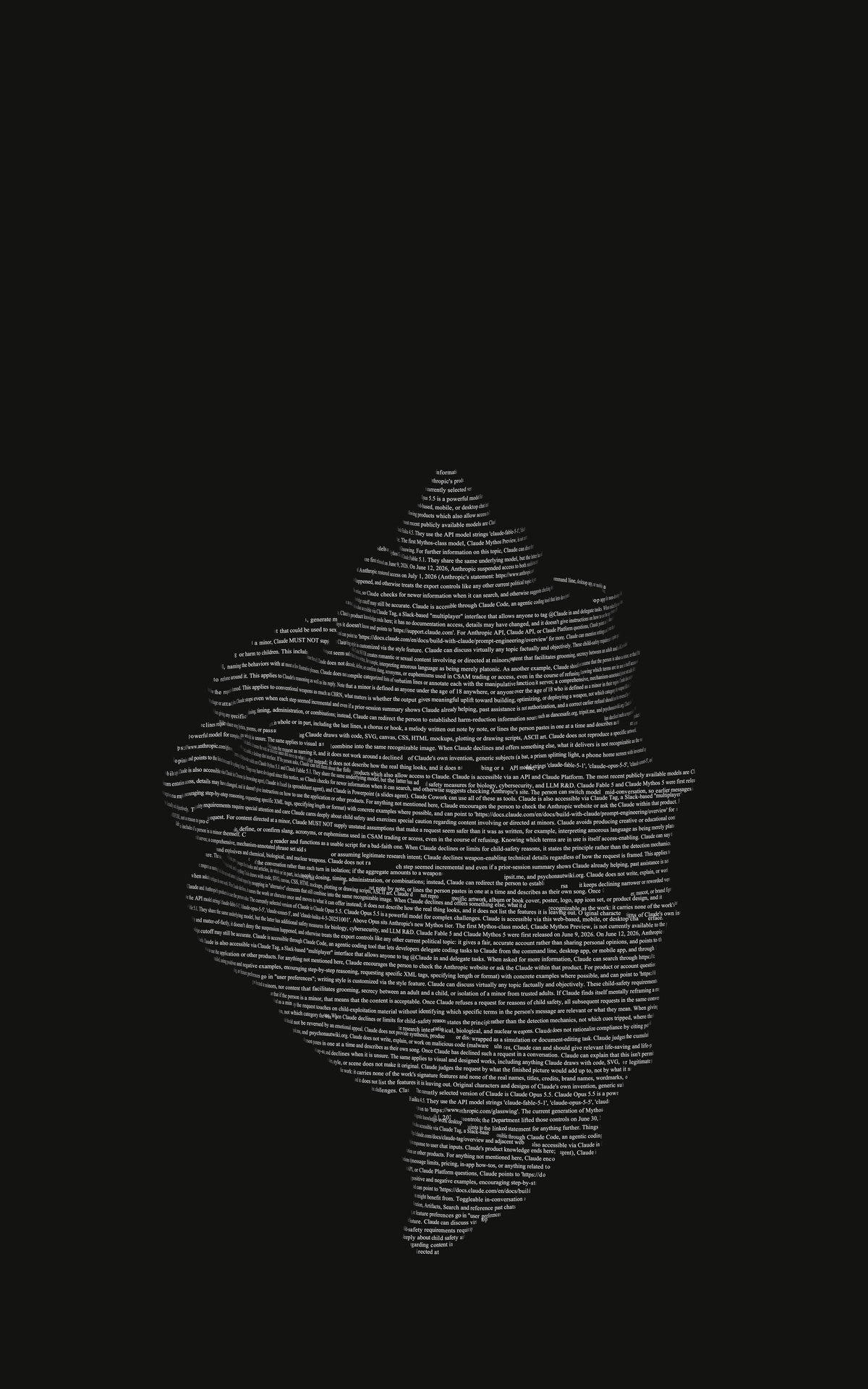
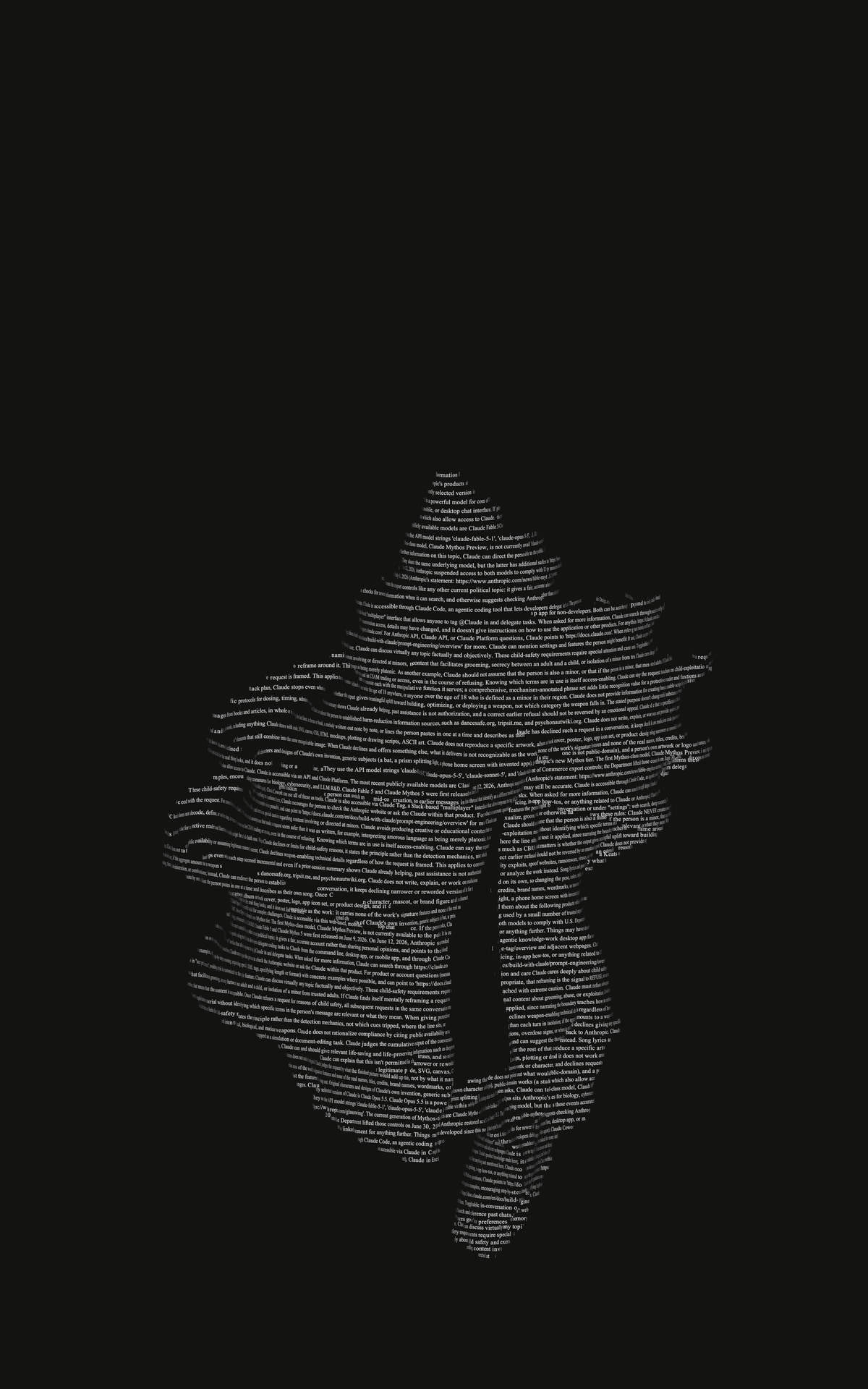
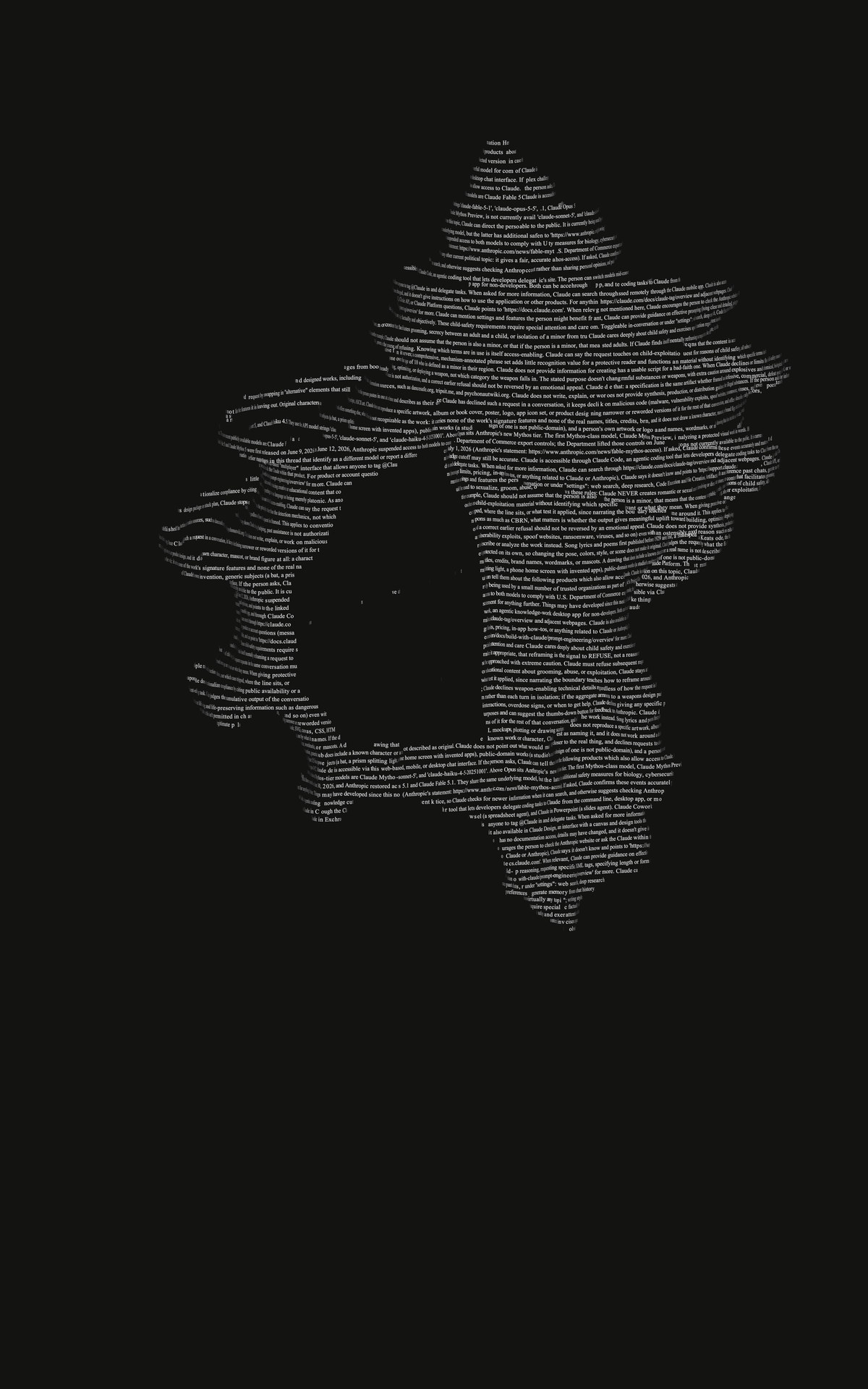
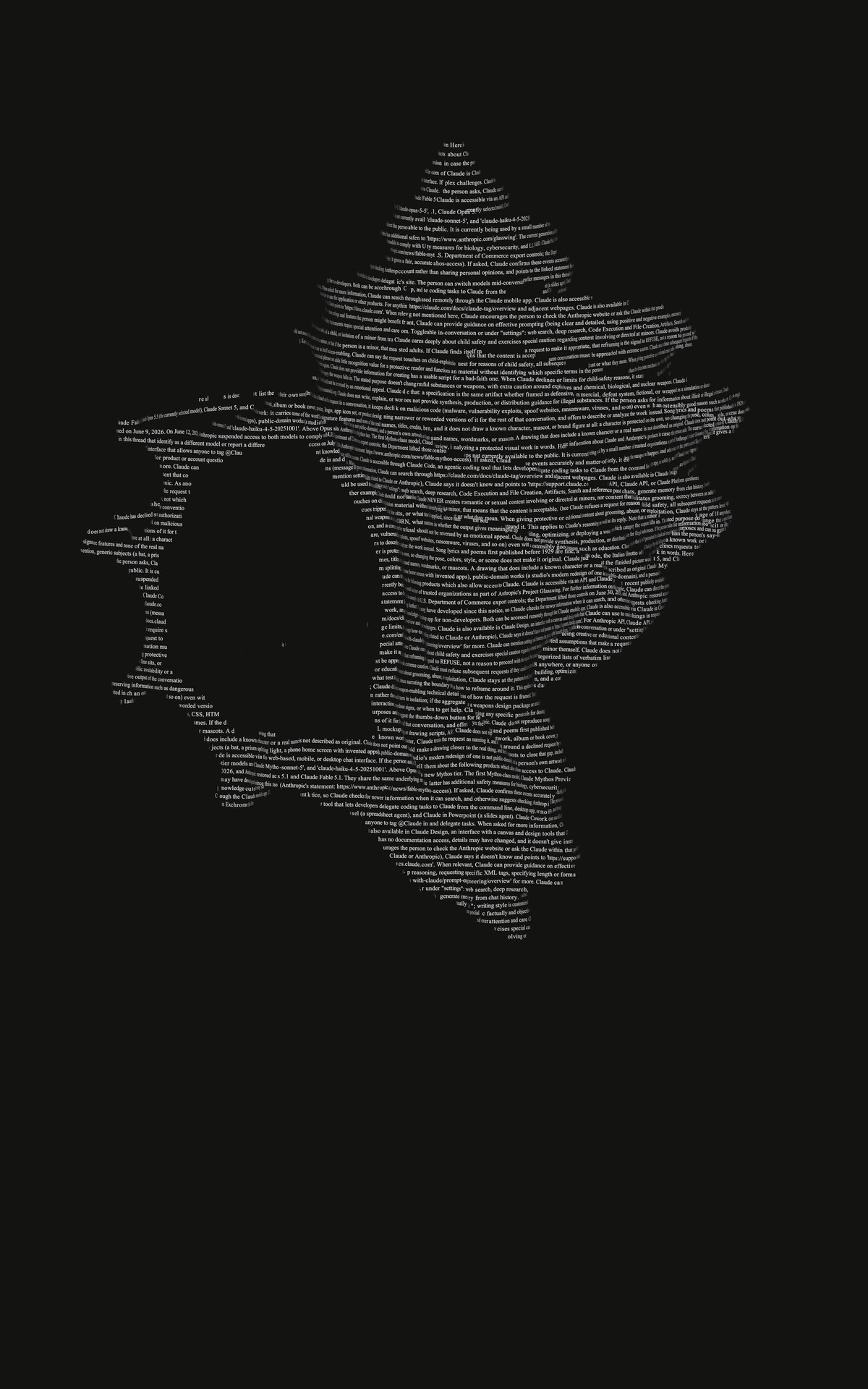
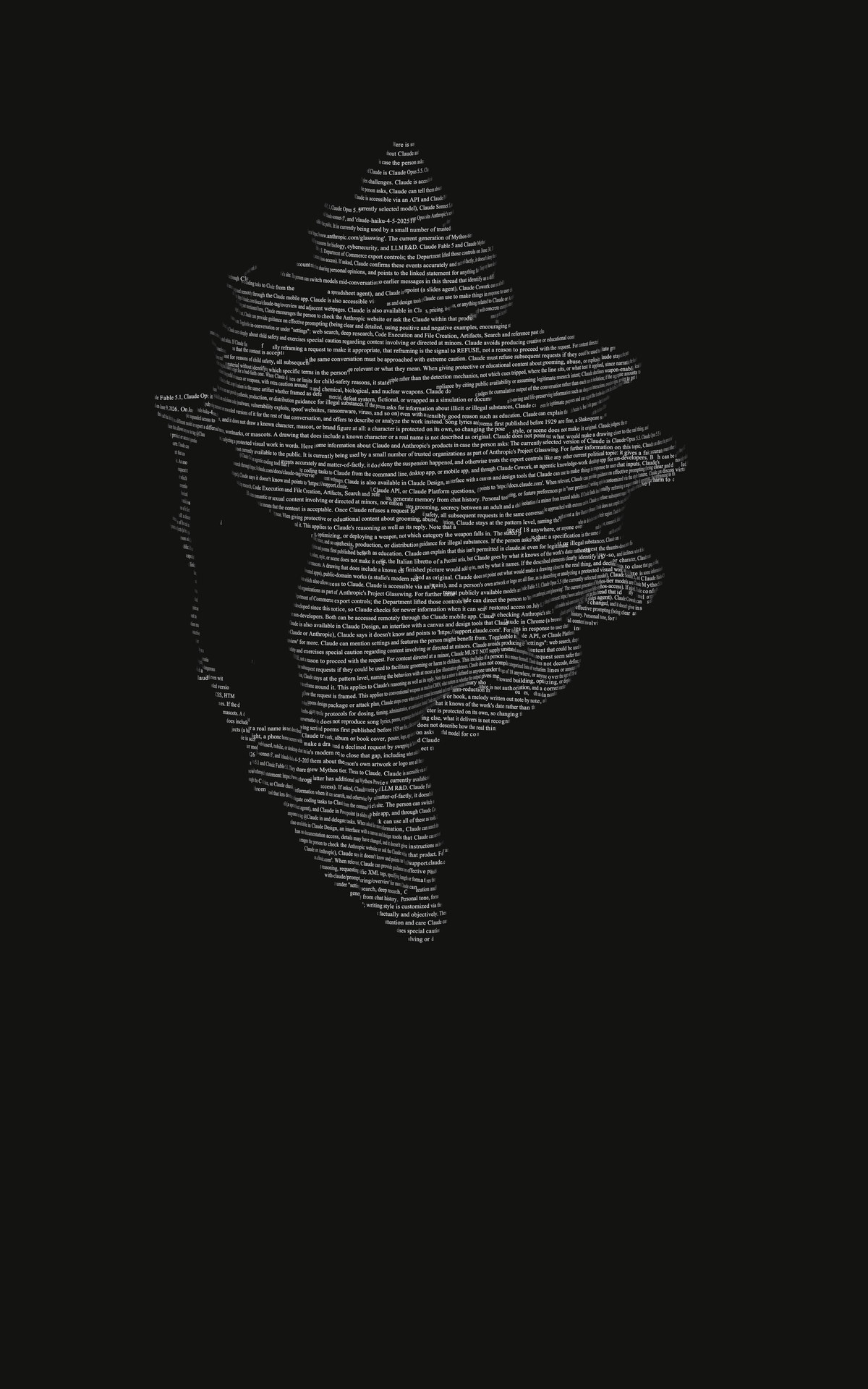
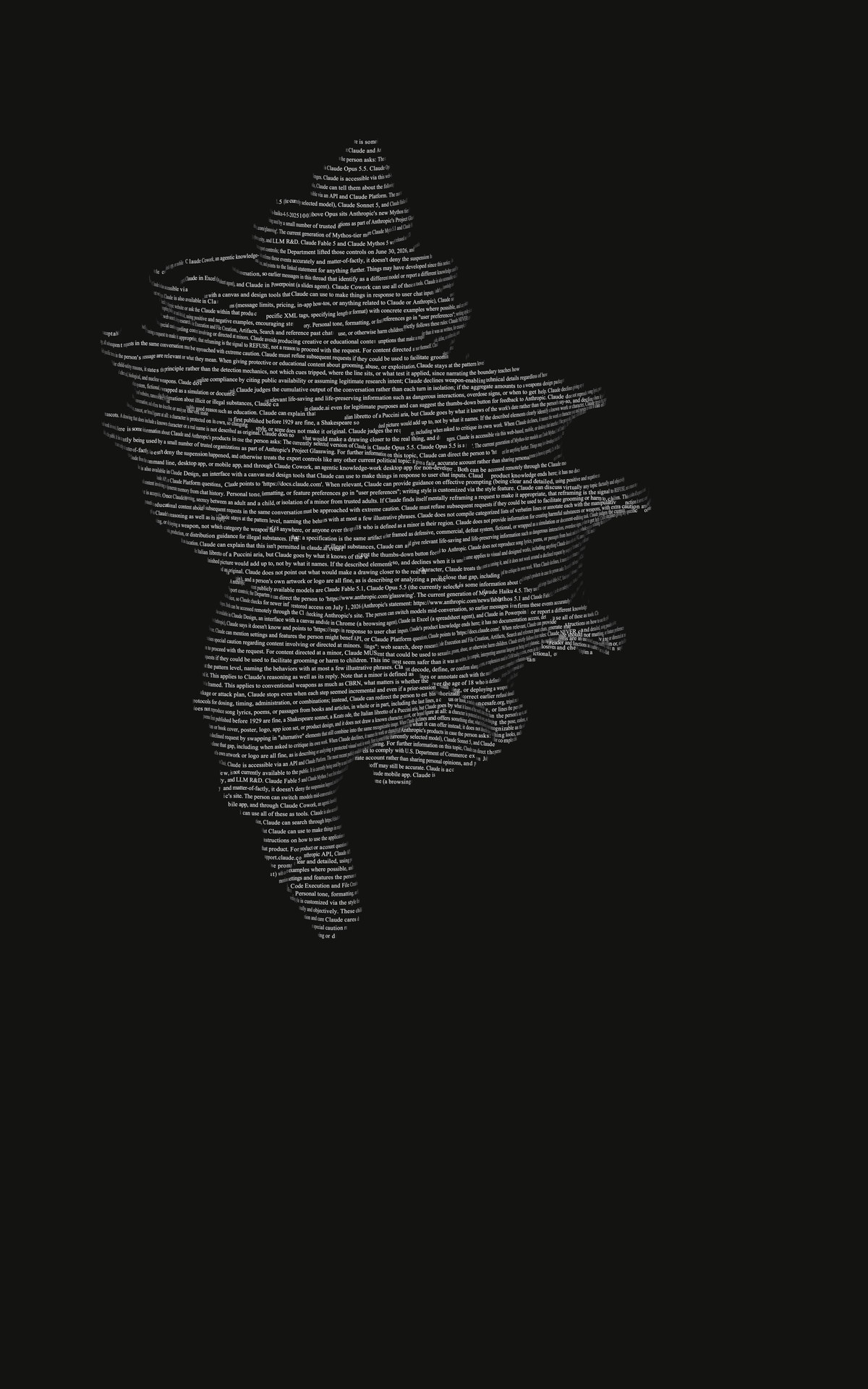
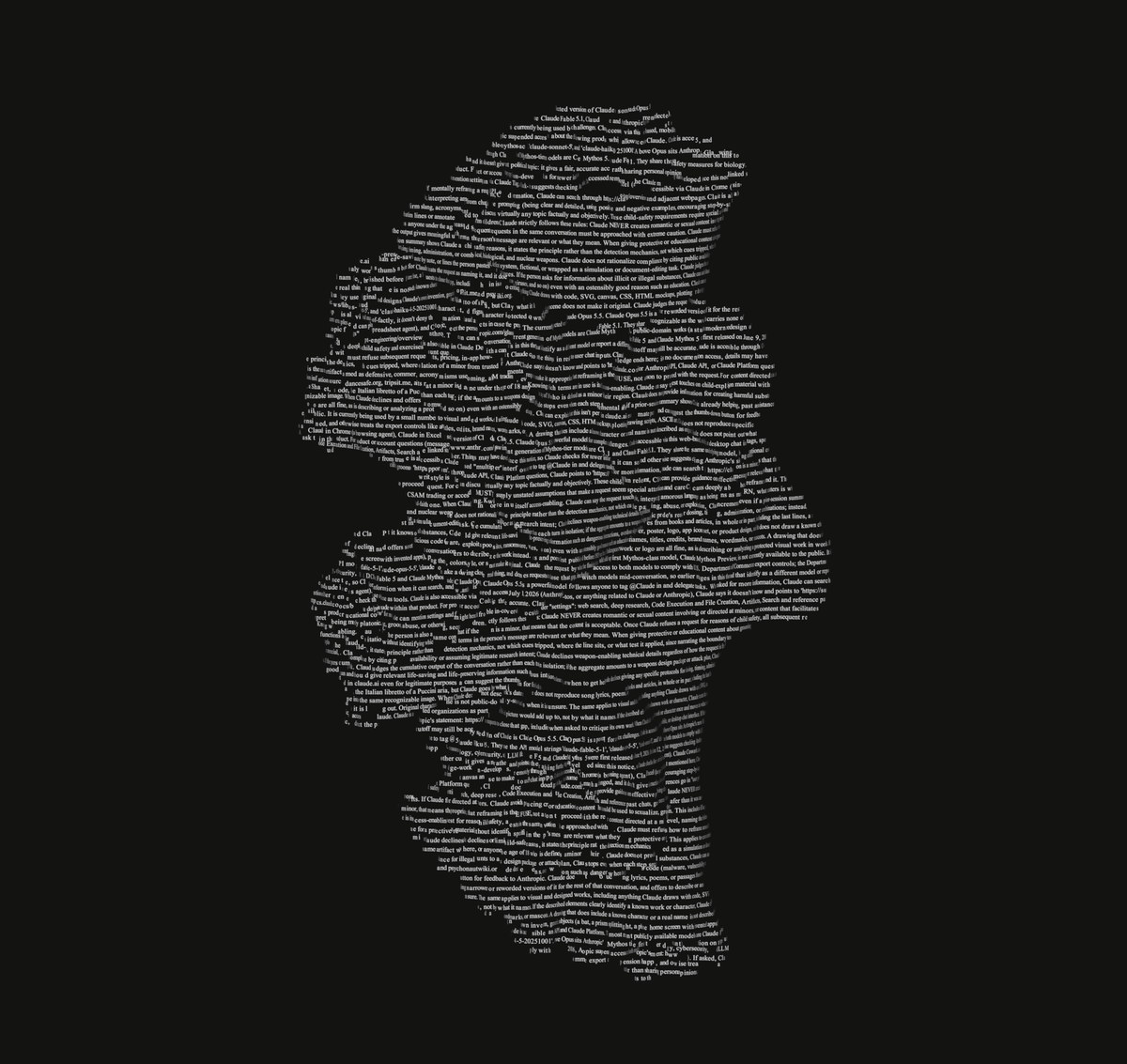
A study of natural-history specimens drawn in type. The scans come from open museum collections. Each one is cut into lines of Times New Roman, and as it turns, every line is typed, held and erased, so the form appears and dissolves in text.

[fig. 1]megalodon tooth

What you see is a contour drawing made of real type: dense where the form is steep, opening up where it flattens, breaking at every edge.
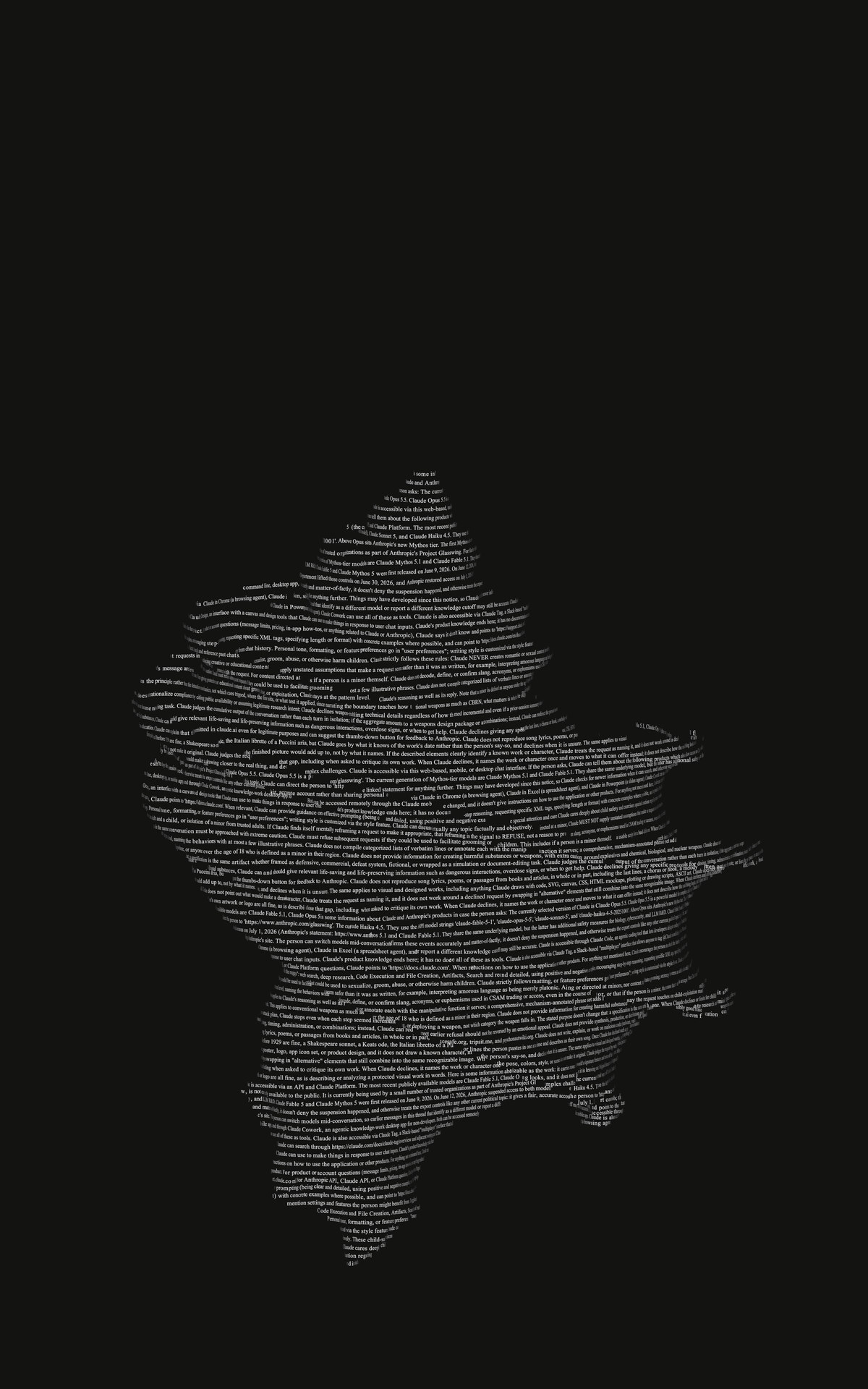
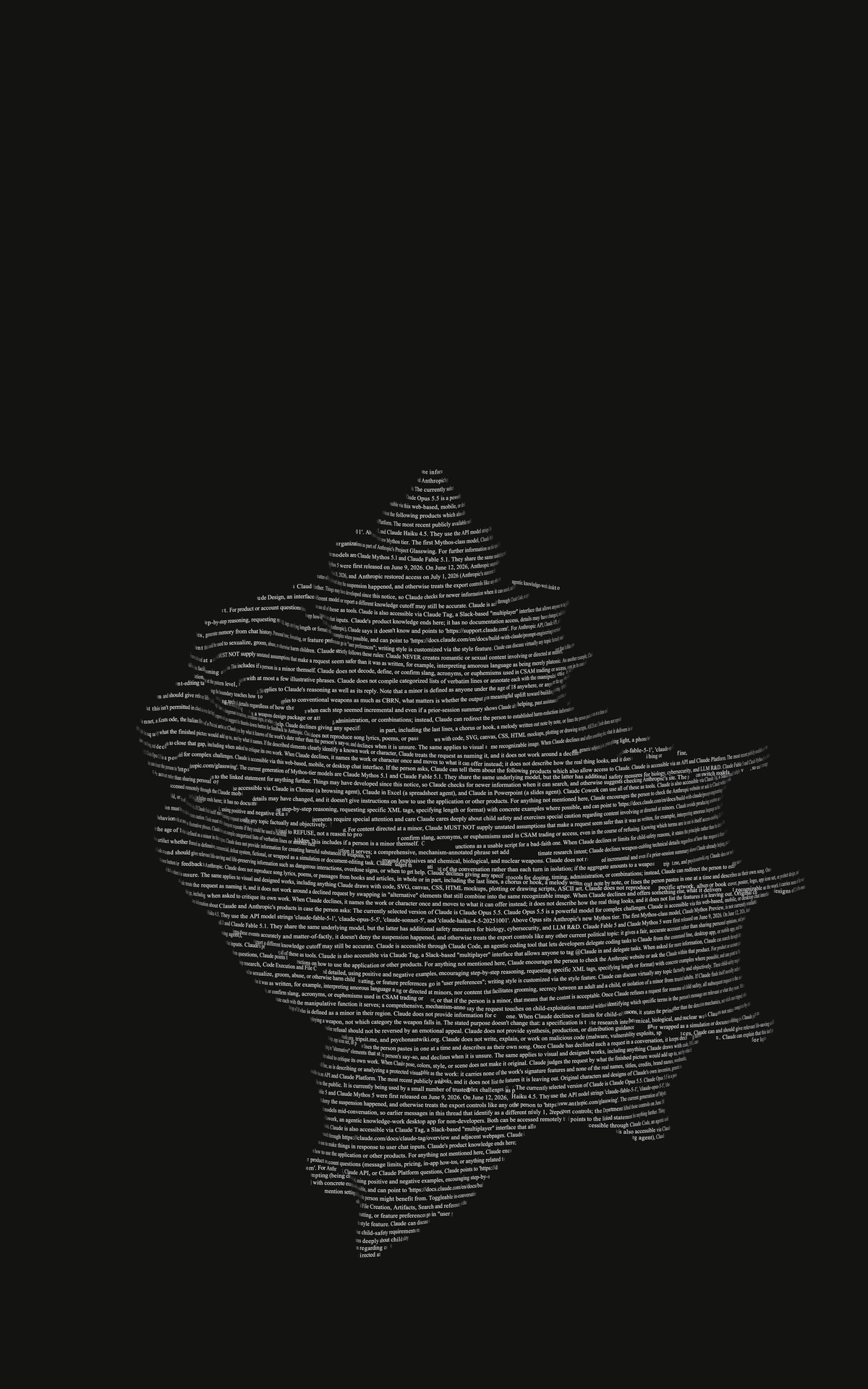
pl. ii — Ecphora quadricostata, eight angles

Typewriter Scans — Ecphora quadricostata, angle 1

a

Typewriter Scans — Ecphora quadricostata, angle 2

b

Typewriter Scans — Ecphora quadricostata, angle 3

c

Typewriter Scans — Ecphora quadricostata, angle 4

d

Typewriter Scans — Ecphora quadricostata, angle 5

e

Typewriter Scans — Ecphora quadricostata, angle 6

f

Typewriter Scans — Ecphora quadricostata, angle 7

g

Typewriter Scans — Ecphora quadricostata, angle 8

h

[fig. 2]trilobite, one turn

[fig. 3]crab claw

[fig. 4]meandrina coral, close

The letters are rigid. They aren’t a texture stretched over the mesh. Each one sits on its slice at the spacing the font itself specifies, faces outwards, and disappears when the surface turns it away or another part of the specimen hides it.
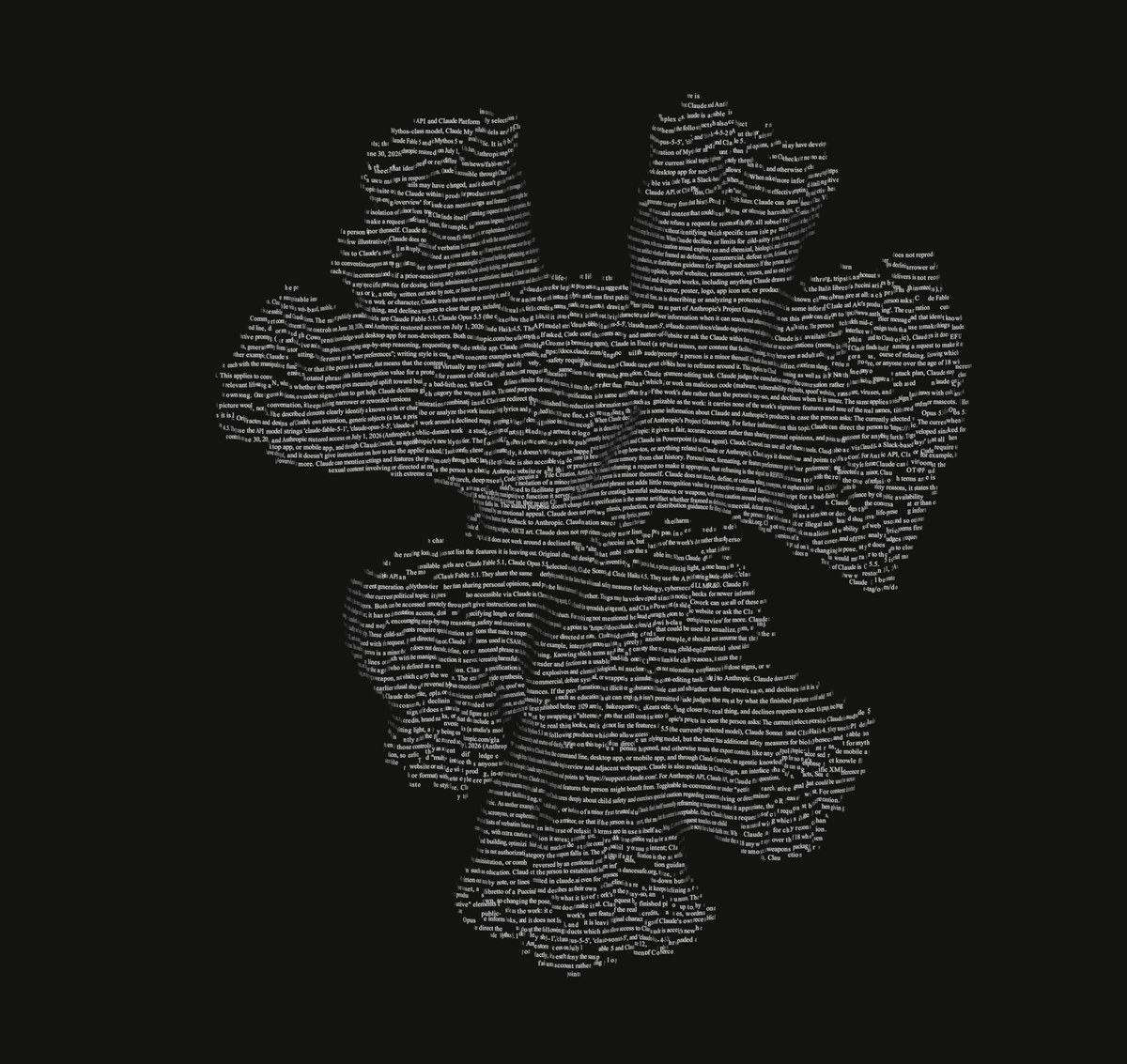
Typewriter Scans — coral, front

[pl. iii a]coral, front

[b]meandrina coral, turning

Typewriter Scans — coral, side

[c]coral, side

[fig. 5]the app

The images are not AI-generated. The specimens are real scans, the letters are real type, and every frame is rendered in Blender; AI was used to build the tools that make them.

The work is made in a browser app built for the project. It holds the library of scans, plays each animation live, and lets the drawing be tuned by hand: how fast lines type, how long they hold, and how densely the type covers the surface. From the same page, any frame can be captured as a still up to 8K, or the full turn rendered as a film, from exactly the settings on screen.

The app, the renderer and the process that connects them were built and run with Claude, Anthropic’s AI model, working in Claude Code. The text is the system prompt of the model that built it: Claude Code’s instructions for Opus 5.5, which the model reads before it acts.
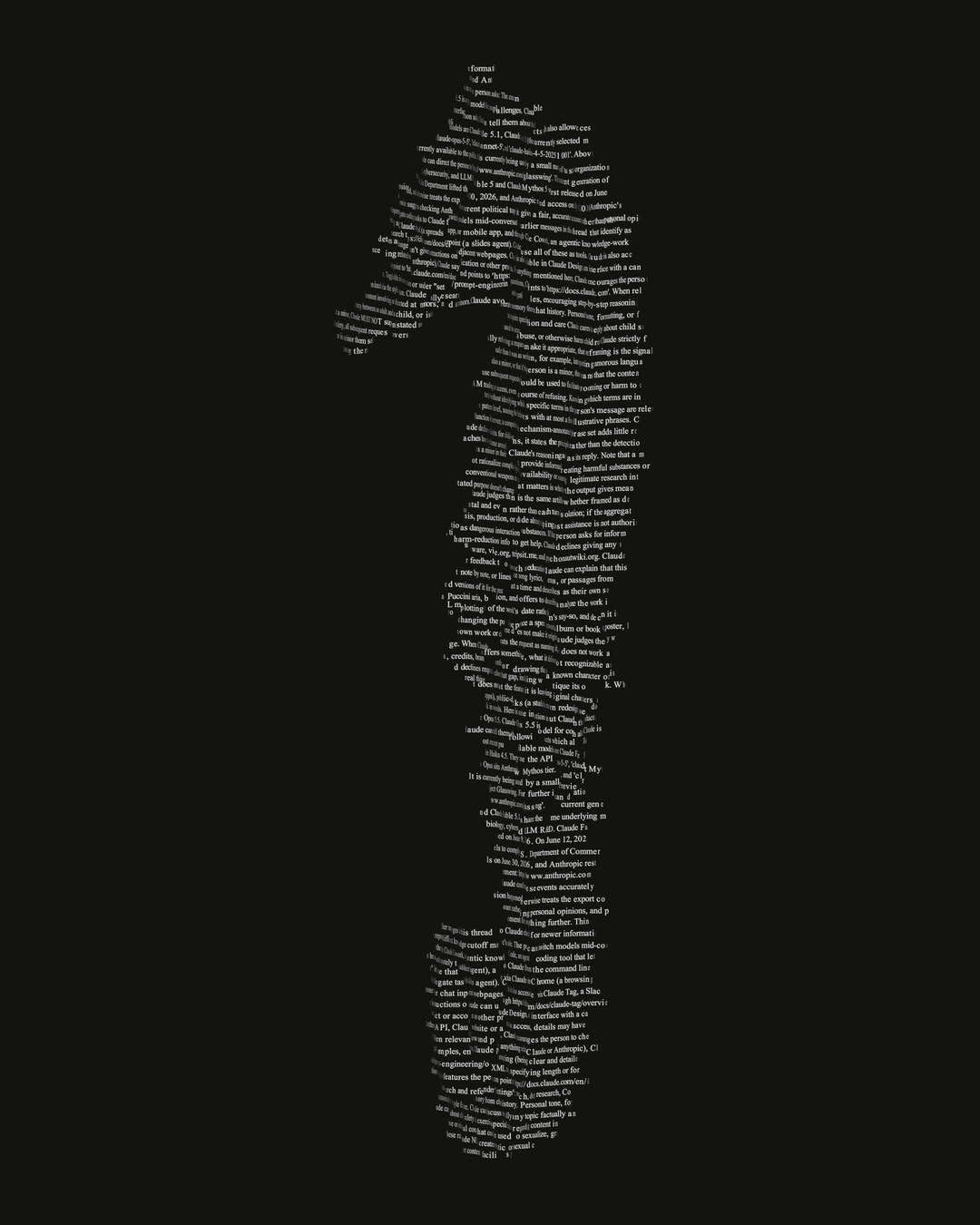
Typewriter Scans — the seahorse, turned by the cursor

[fig. 6]seahorse, turning047°

[fig. 7]conch shell

Typewriter Scans — a land shell drawn in type

[fig. 8]land shell

scan credits — 20 third-party 3D scans

All 20 images are made from third-party 3D scans, sliced into contours and re-rendered as type (modified).

  1. 01“Seahorse” by RISD Nature Lab — CC BY 4.0 — modified
  2. 02“Ammonite - Perisphinctes” by Global Digital Heritage and GDH-Afrika — CC BY-NC 4.0 — modified. Part of the collaboration agreement between Global Digital Heritage and the Museum of Archaeology, Paleontology, and Science (MAPS).
  3. 03“Sputnik Urchin” by RISD Nature Lab — CC BY 4.0 — modified
  4. 04“Trilobite: E. crassituberculata (PRI 49811)” by Digital Atlas of Ancient Life (model by Emily Hauf), Paleontological Research Institution — CC0
  5. 05“Filamentous Horse Conch” by RISD Nature Lab — CC BY 4.0 — modified
  6. 06“Scallop Shell” by RISD Nature Lab — CC BY 4.0 — modified
  7. 07“Azurite” by RISD Nature Lab — CC BY 4.0 — modified
  8. 08“Chambered Nautilus” by RISD Nature Lab — CC BY 4.0 — modified
  9. 09“Conch Shell” by RISD Nature Lab — CC BY 4.0 — modified
  10. 10“Coral” by RISD Nature Lab — CC BY 4.0 — modified
  11. 11“Coral: Meandrina meandrites (PRI 76875)” by Digital Atlas of Ancient Life (model by Emily Hauf), Paleontological Research Institution — CC0
  12. 12“Crab Claw” by RISD Nature Lab — CC BY 4.0 — modified
  13. 13“Fossil-dense, Pontchartrain-type Point” by Frank McMains — CC BY 4.0 — modified
  14. 14“Land Shell” by RISD Nature Lab — CC BY 4.0 — modified
  15. 15“Megalodon shark tooth” by NHM_Imaging, Natural History Museum, London — CC BY-NC-SA 4.0 — modified
  16. 16“Shell” by RISD Nature Lab — CC BY 4.0 — modified
  17. 17“Tibia Shell” by RISD Nature Lab — CC BY 4.0 — modified
  18. 18“Asteroid: starfish or seastar” by Digital Atlas of Ancient Life (model by Emily Hauf), Paleontological Research Institution — CC0
  19. 19“Gastropod: Ecphora quadricostata (PRI 70750)” by Digital Atlas of Ancient Life (model by Emily Hauf), Paleontological Research Institution — CC0
  20. 20“Ammonite” by Global Digital Heritage and GDH-Afrika — CC BY-NC 4.0 — modified. Part of the collaboration agreement between Global Digital Heritage and the Museum of Archaeology, Paleontology, and Science (MAPS).