Images,
and the systems
that make them.
Creative technologist, bridging creative and engineering. I design, build and consult on AI workflows and systems for studios, agencies, production companies and image‑led brands.

Calculated Glass
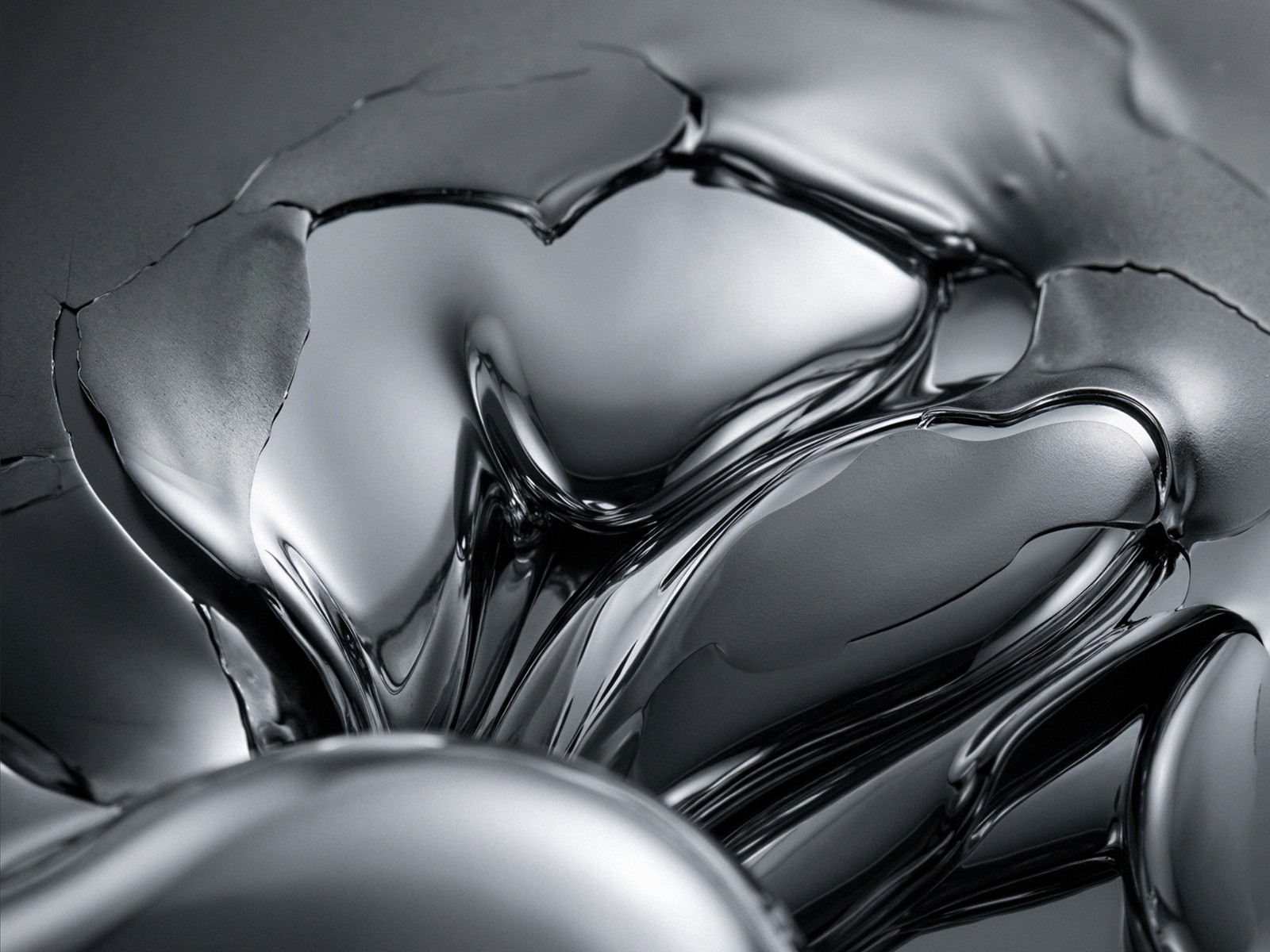
Calculated Glass is a series of still images of clear glass objects, rendered in Blender by an AI agent. Each object is mathematically defined: the agent consults Wolfram Language through MCP alongside Blender to work out the geometry and the materials, so every form is calculated to be perfectly smooth, not modelled by hand. The lighting comes from photographic lighting knowledge, taught to the agent as rules; with them, the agent makes its own lighting decisions.

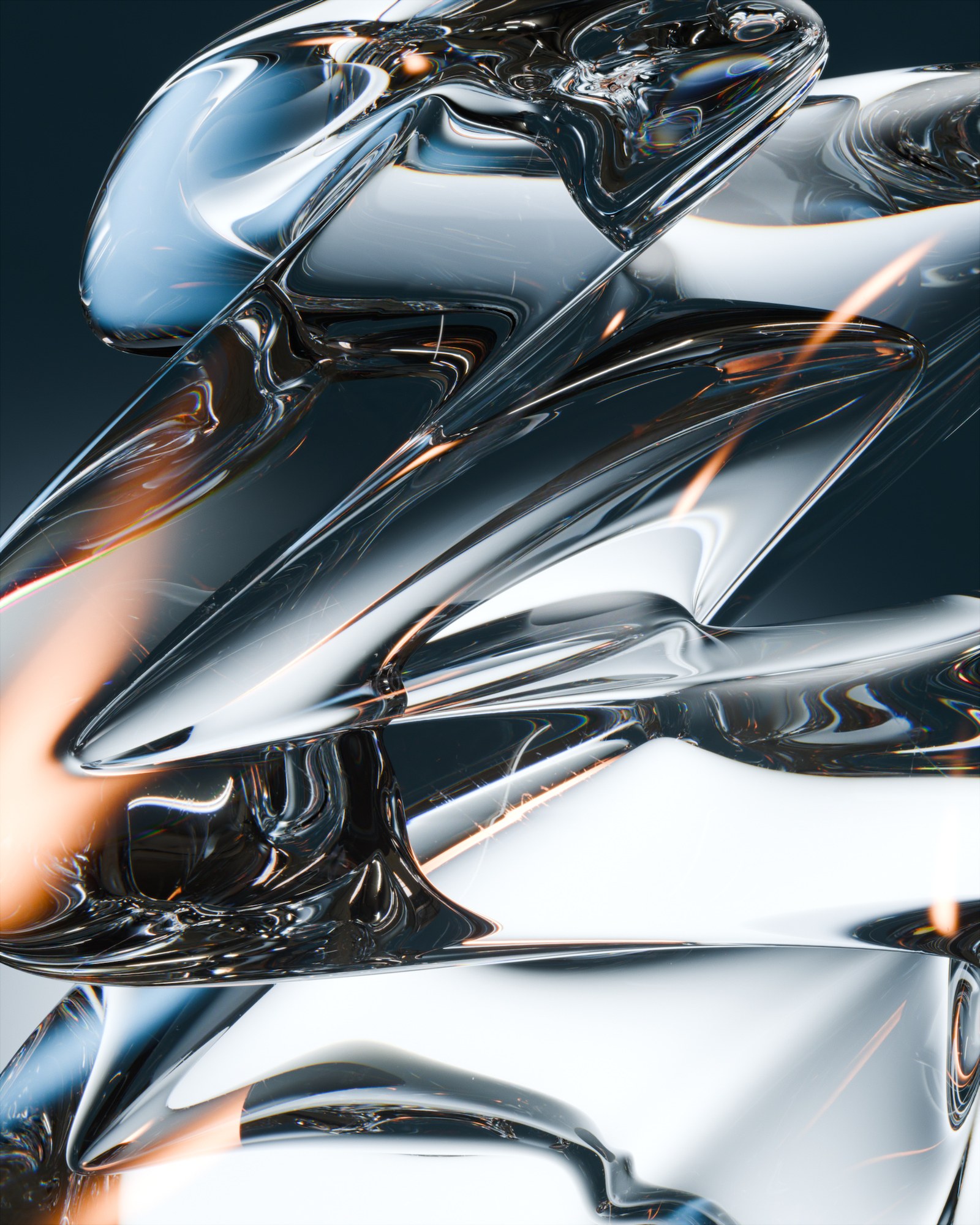
A clear glass image is almost entirely made of light. Glass has little appearance of its own; the viewer sees the light and space around it, reflected and bent. The image rests on a few decisions: how large each light is, where it sits, how far its reflection continues round the form, where its brightness peaks and how it fades. A measured, technically correct set-up can still give a flat, grey or confusing image.
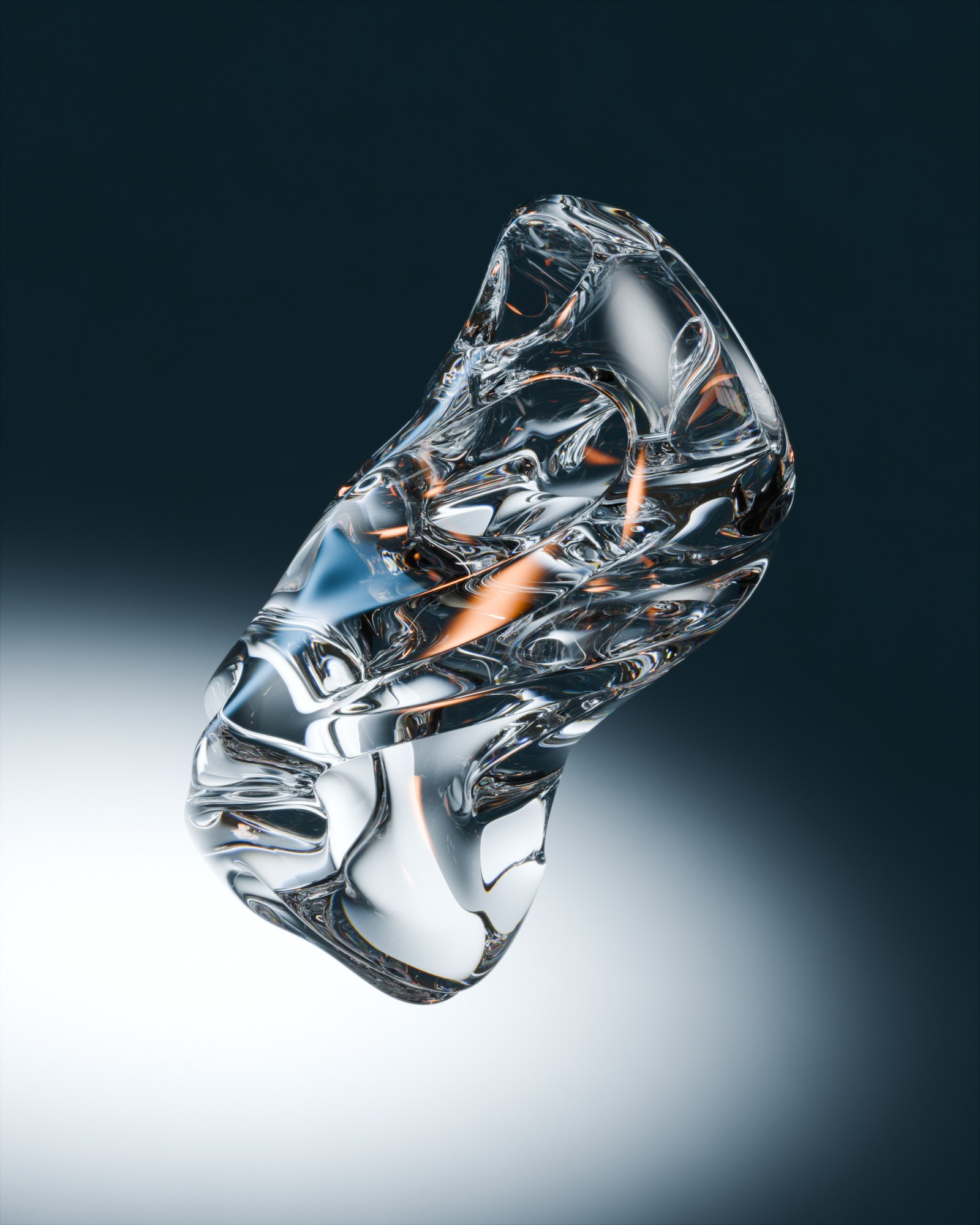
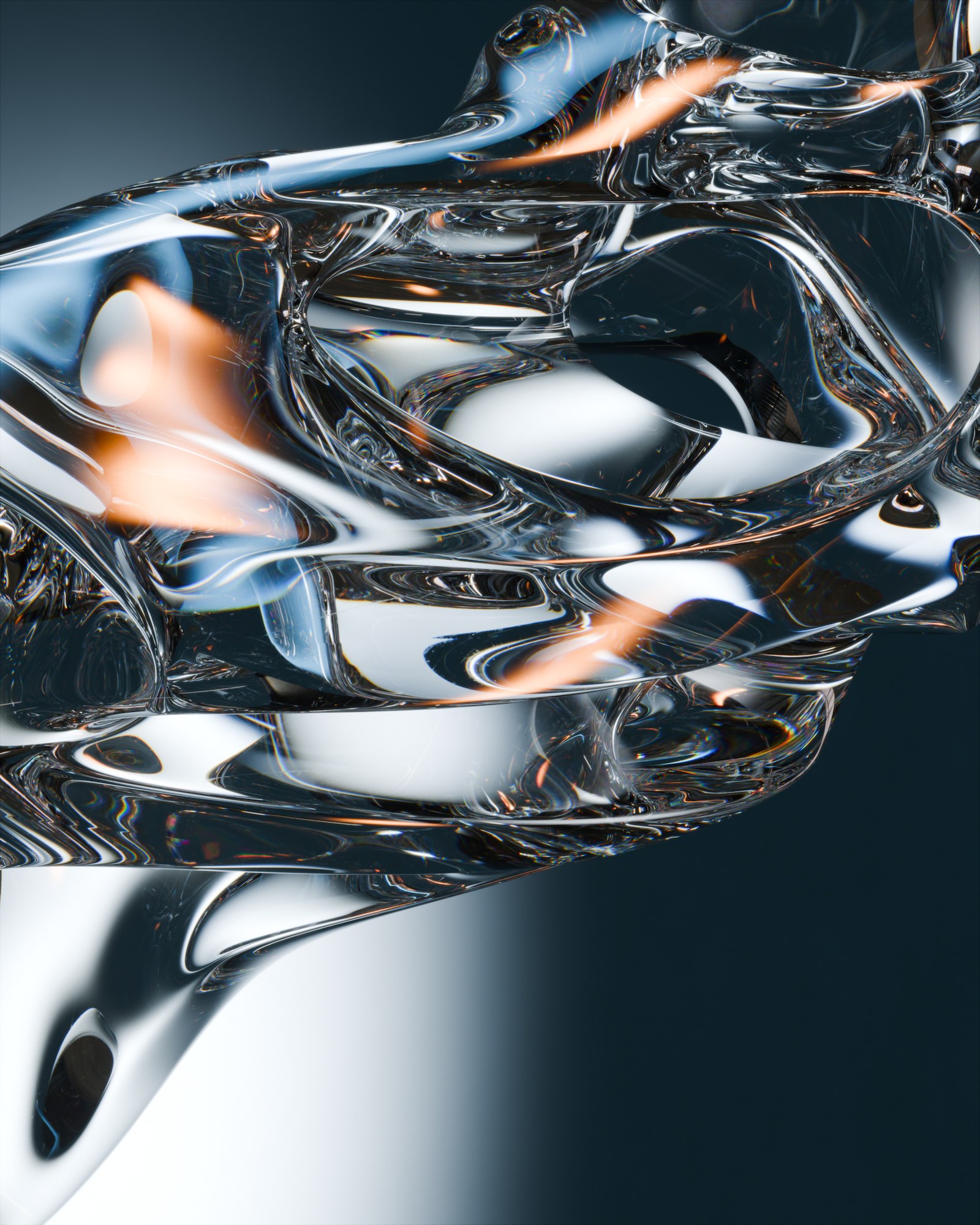
The judgement behind good lighting is rarely written down. A photographer draws on real-world lighting approaches and decides by eye, and seldom says why. An AI agent does not know how to light correctly: it has no prior knowledge or experience of lighting in the real world. Once written down, the judgement can be used to inform an agent’s decision process.
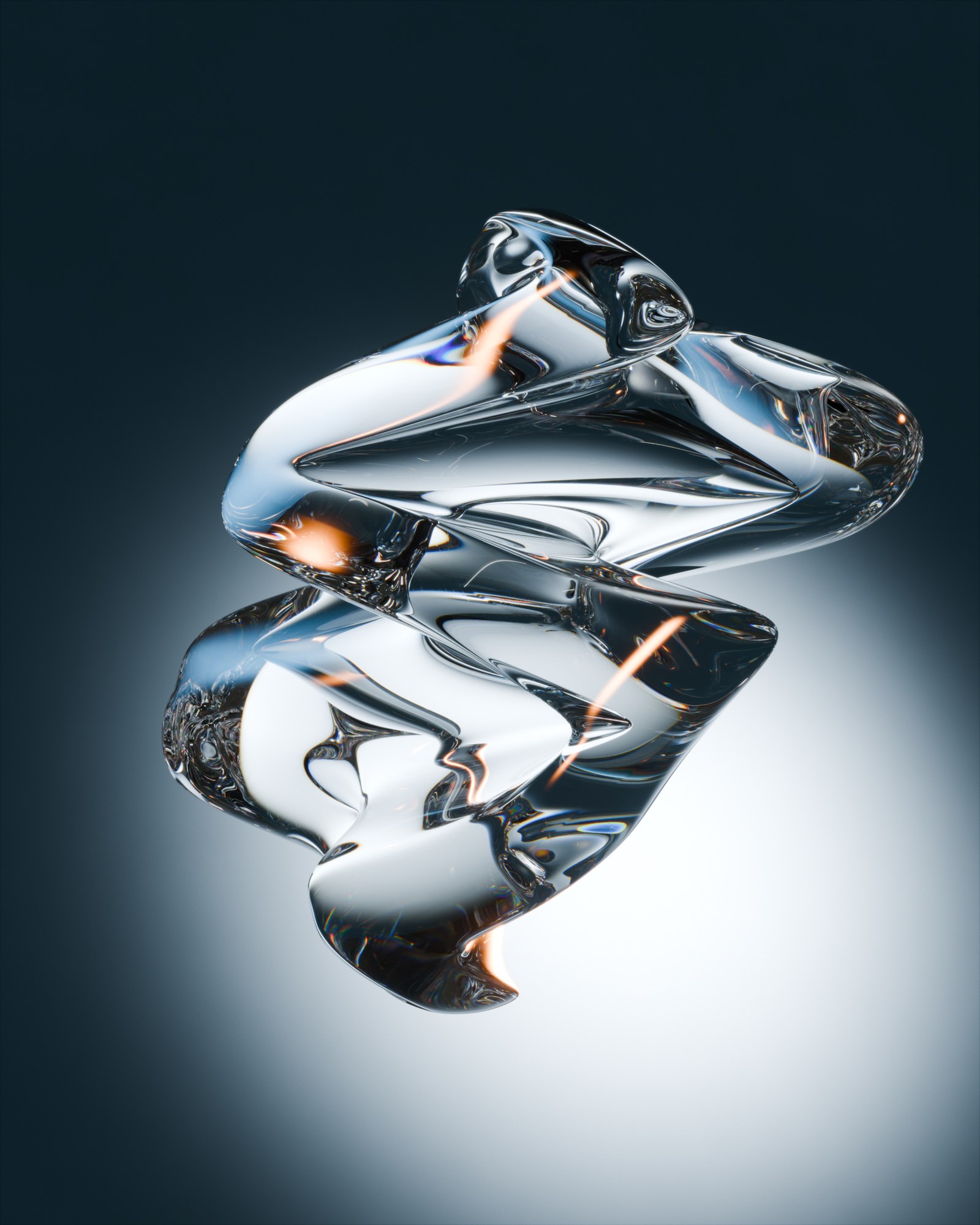
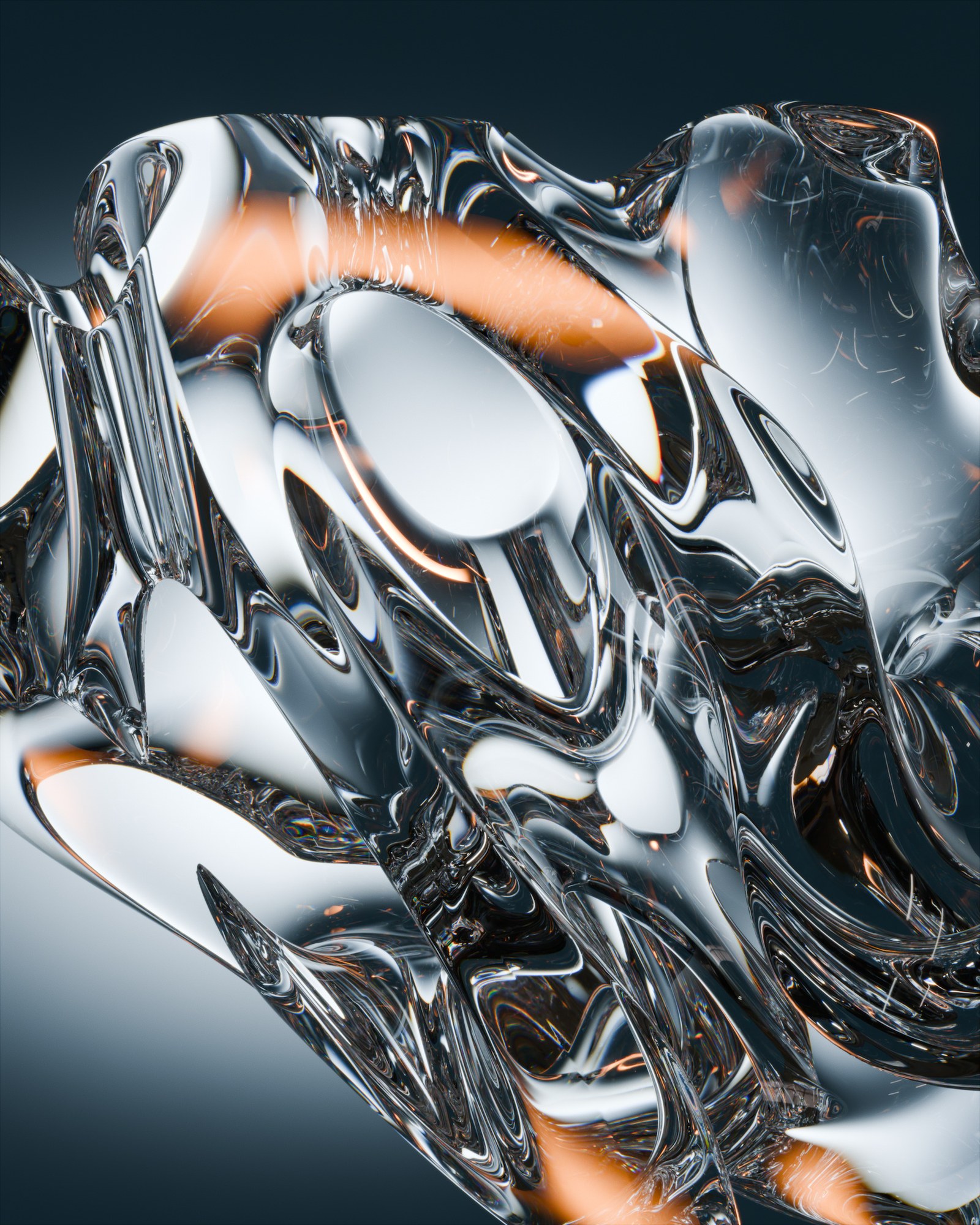
The core idea is to make lighting judgement explicit and hand it to the agent. The object is lit as it would be on set, and each decision is explained: what to look for, why it matters and which control changes it. The agent turns that into Blender controls, the person judges the picture, and the exchange goes into a rule book. The rules cover the colour temperature of light sources, gradient fall-off, proximity of light source to object and the position of highlights. The rule book is written for future agents to follow.
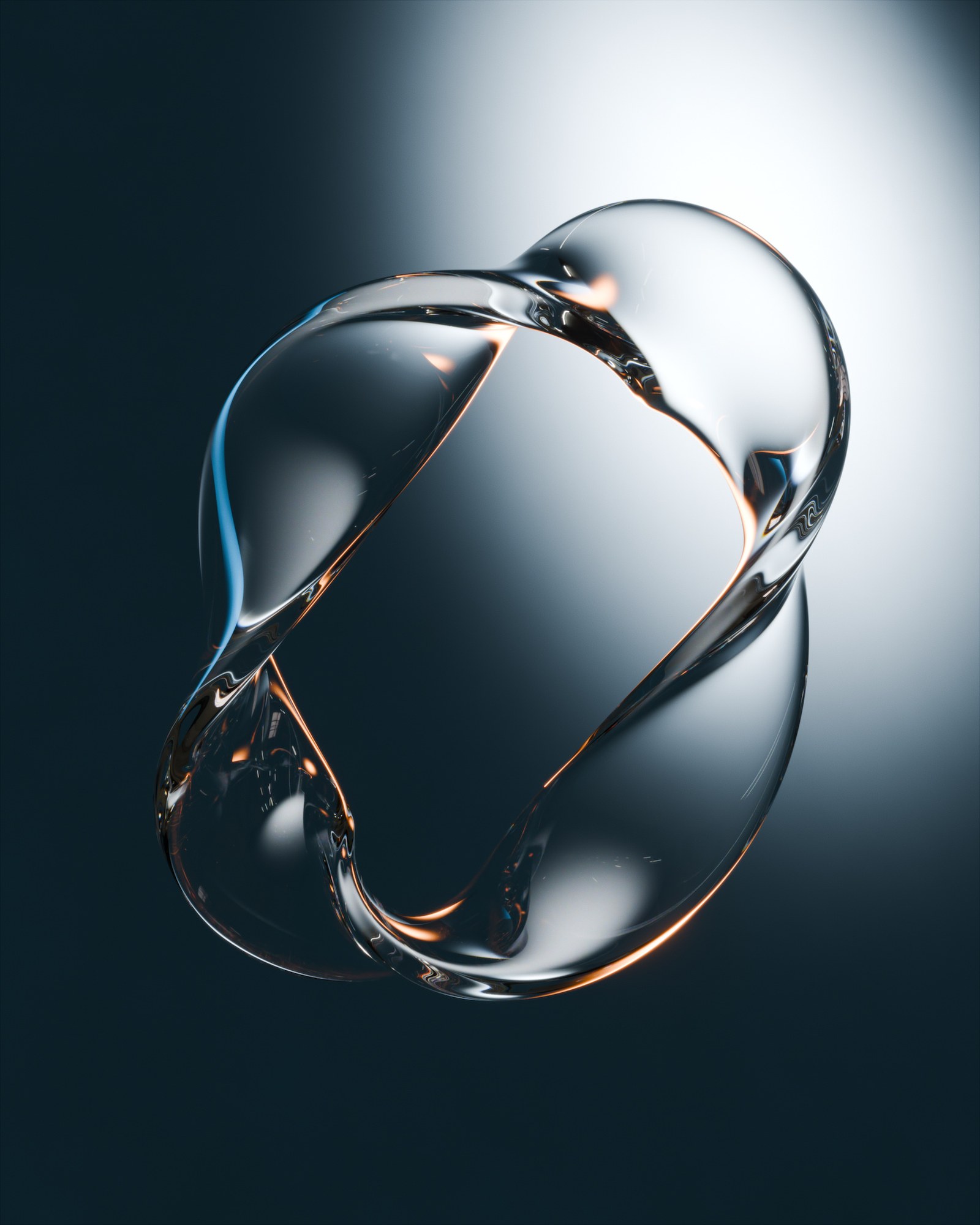
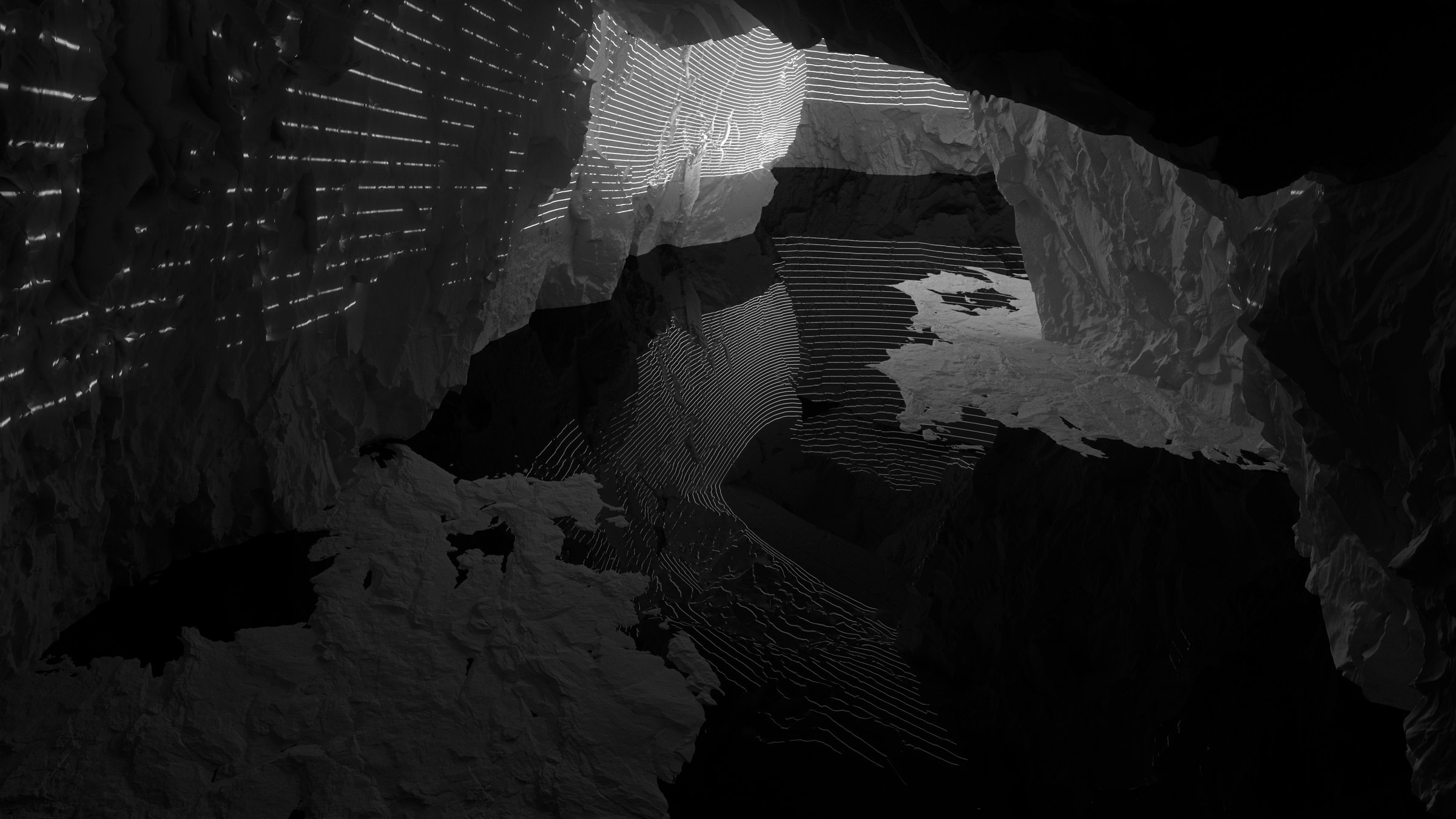
The agent runs Python inside Blender through an MCP connection, a channel that lets an agent send code to a running program. That code builds each shape from its formula and gives it a thickness. Each build checks itself: it works out the slope of the formula, has Wolfram Language, a separate mathematics system, work it out too, and stops if the two disagree or the built surface has broken edges or no volume. Light comes from curved panels that glow in a shaped pattern, hidden from the camera but visible in the glass, standing in for a lit sheet of light-softening fabric. Each panel’s brightness, bright pool, fade, bend and wrap are separate controls. Small, fast test renders, the person’s judgement and recorded corrections are how the rules were made. With them, the agent makes informed decisions of its own: where a light goes, how far from the glass, how soft or sharp.