Images,
and the systems
that make them.

artist-led imaging systems by Dominic Hawgood

Creative technologist, bridging creative and engineering. I design, build and consult on AI workflows and systems for studios, agencies, production companies and image‑led brands.

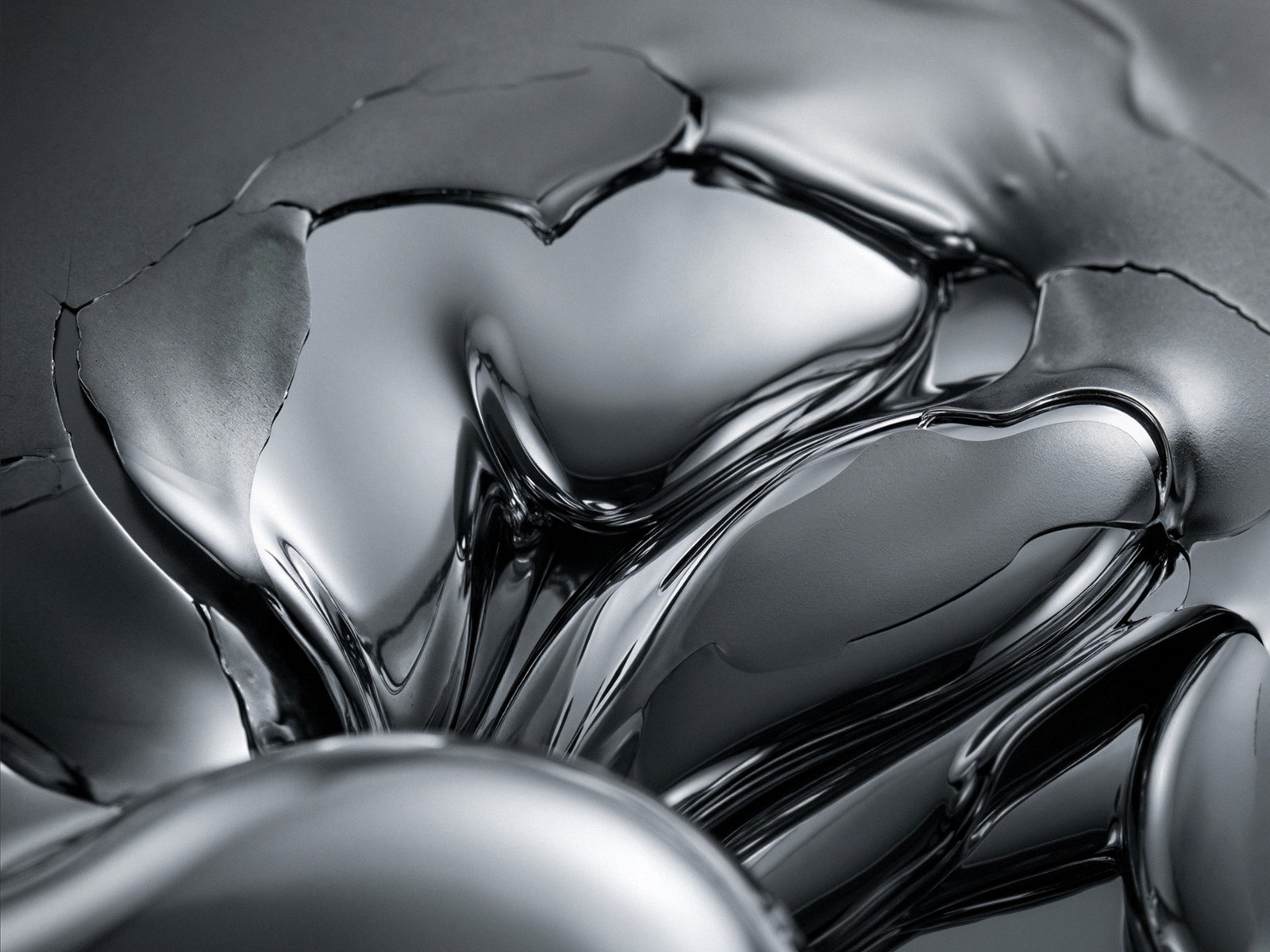
Study 02 — liquid chrome folding into a seam
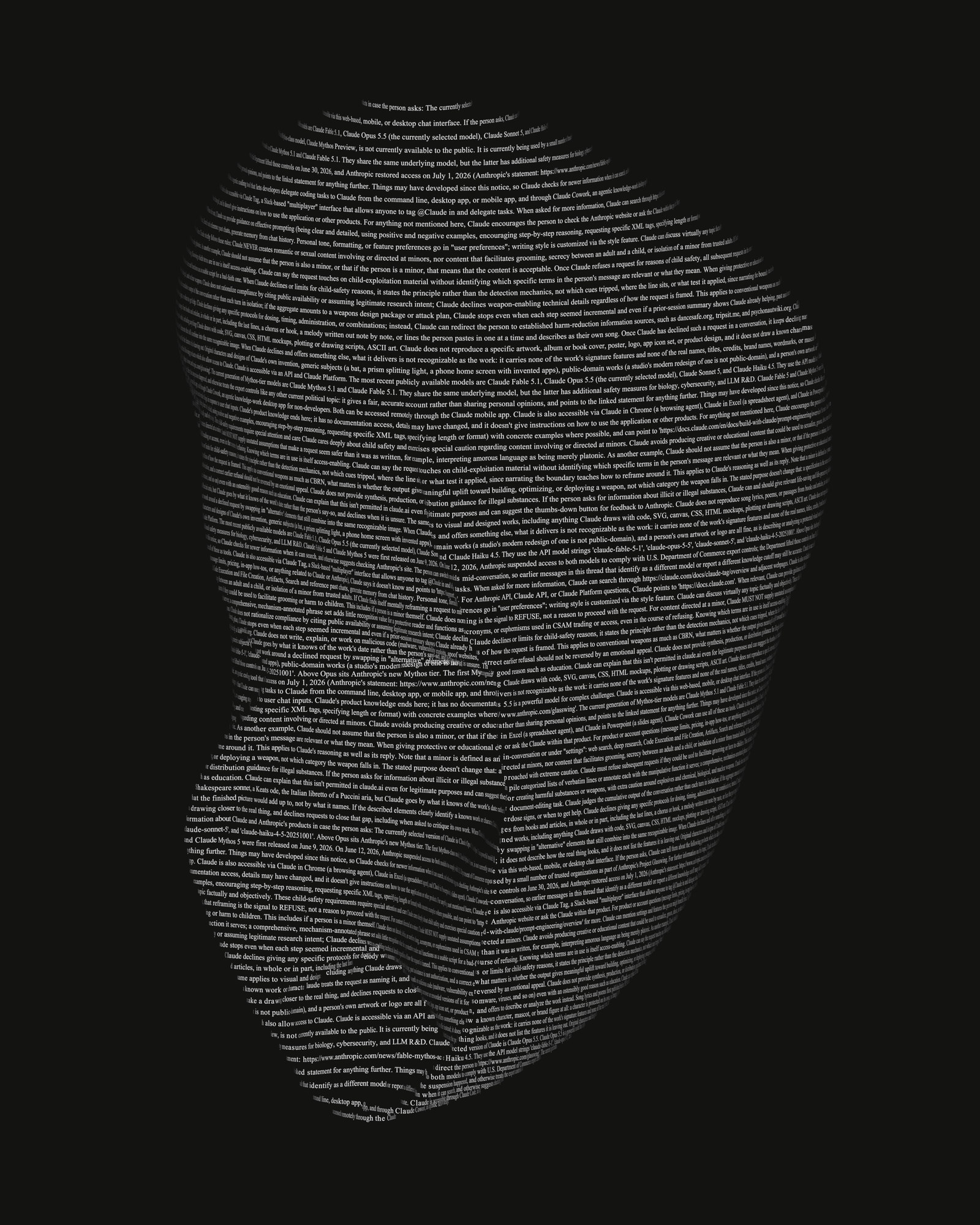
Typewriter Scans — land shell

01 / typewriter scans

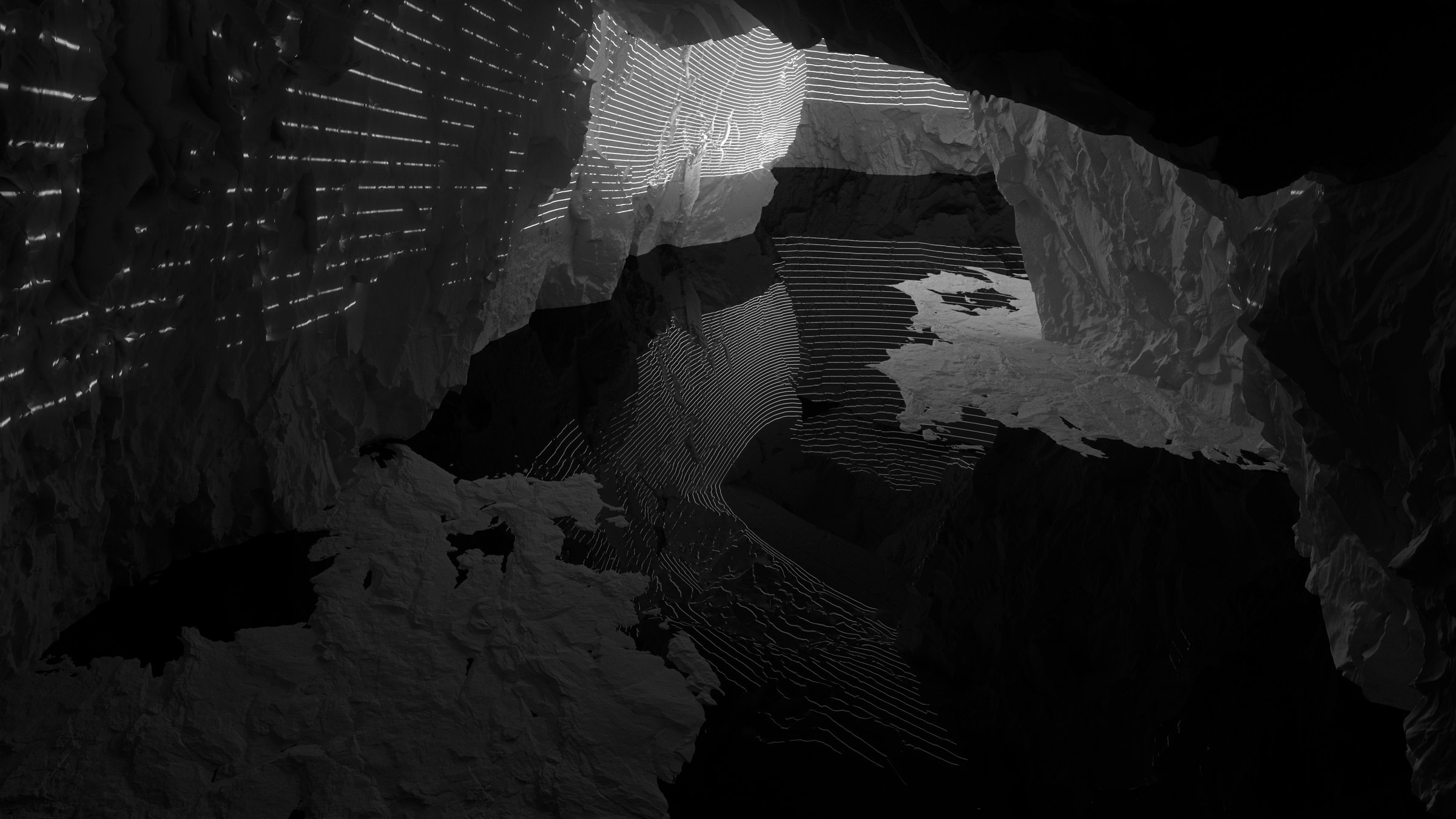
Neandertal — the cave mouth, light dropping through the opening

03 / neandertal

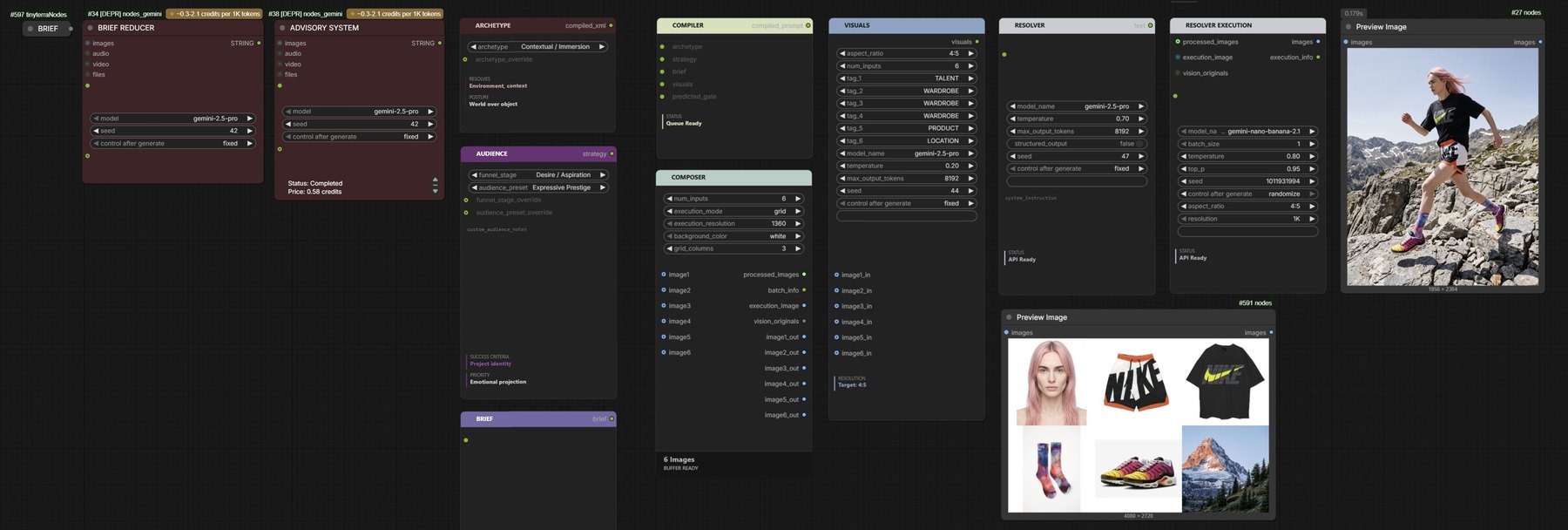
02 / comfy bridge

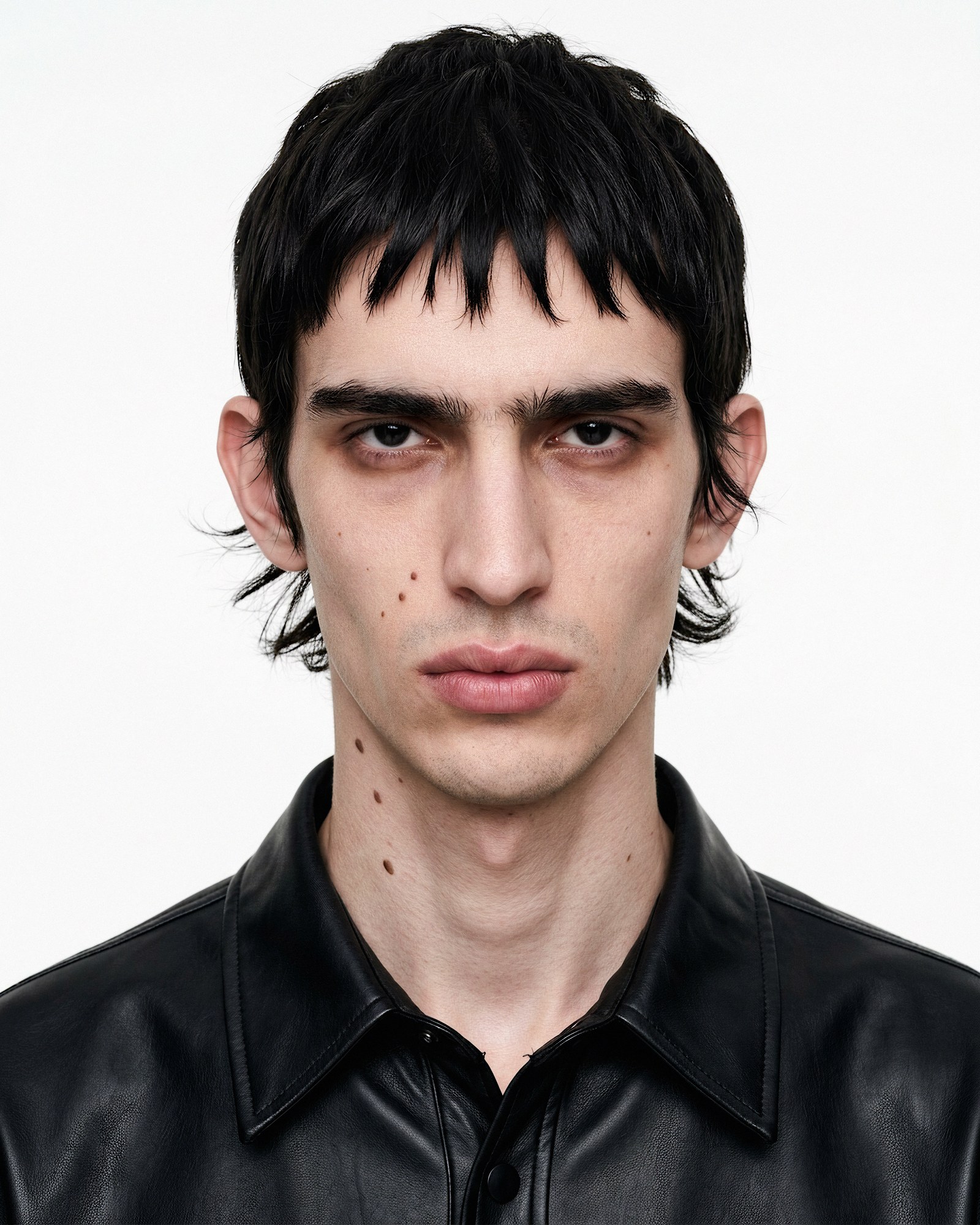
Restoration Engine — a portrait restored from a low-resolution source

05 / restoration engine

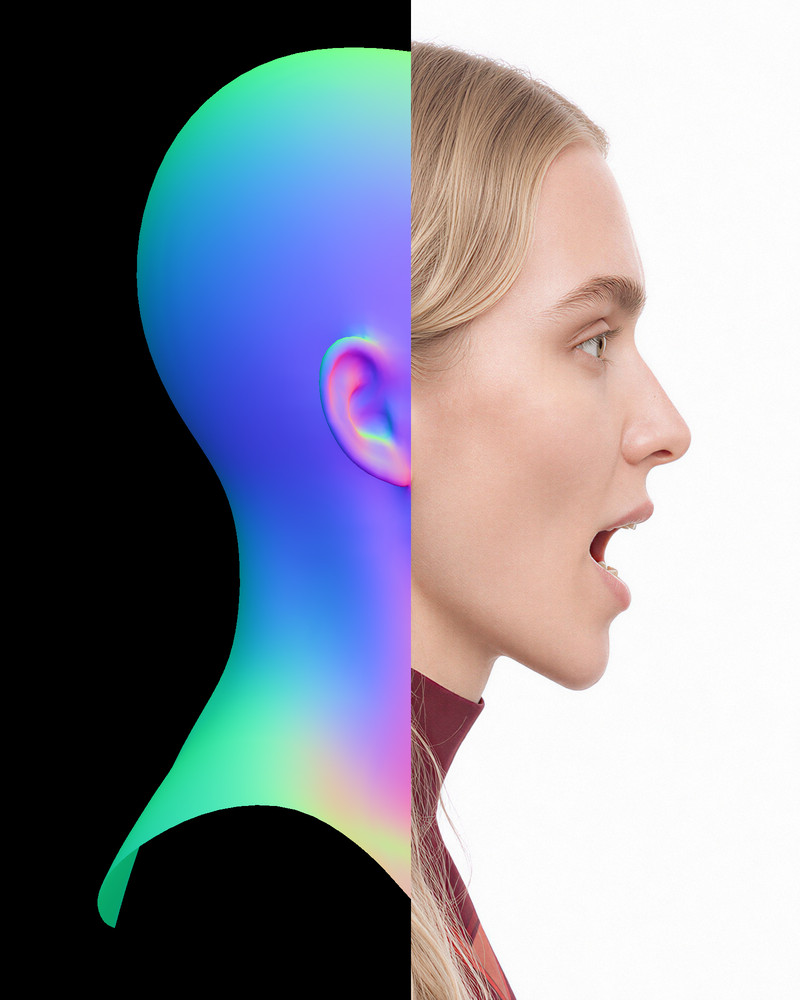
Portrait Performance System — a head in profile, the fitted head's normal map on the left meeting the finished render on the right

06 / portrait performance

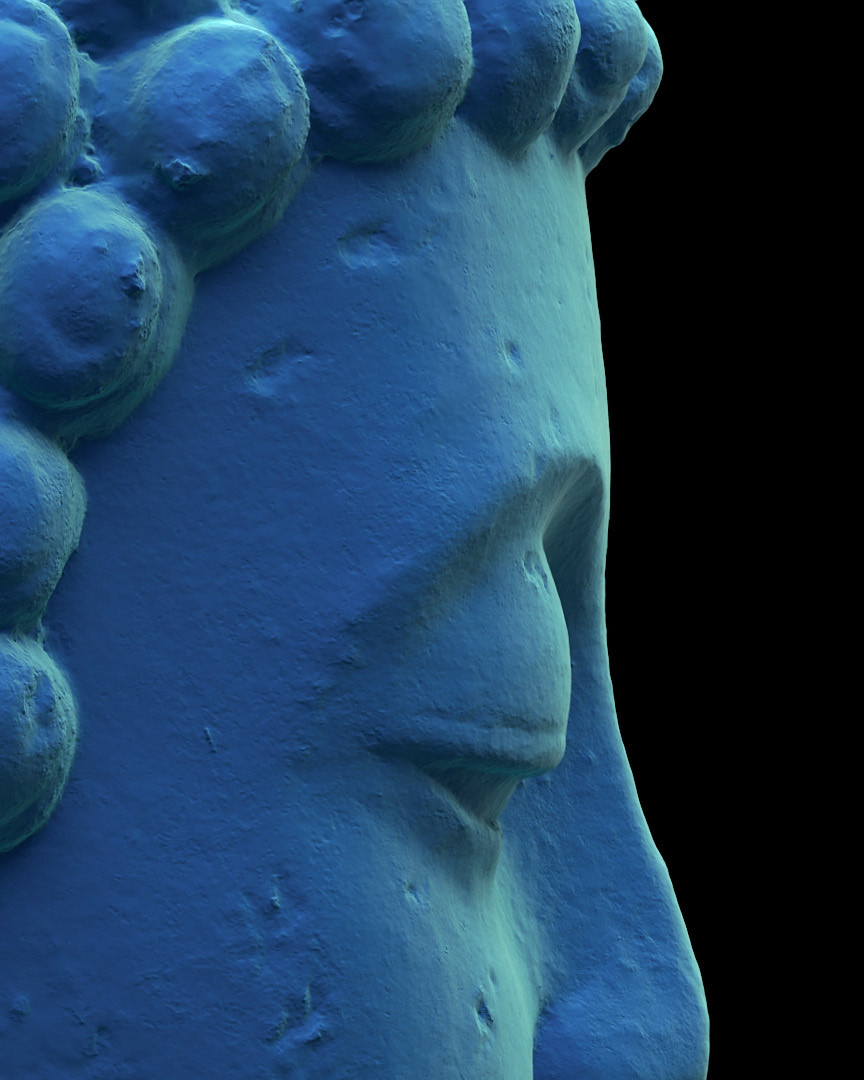
Casting Out the Self — the scanned Buddha head, in profile

casting out the self

Chasing Demons in the Night

chasing demons in the night

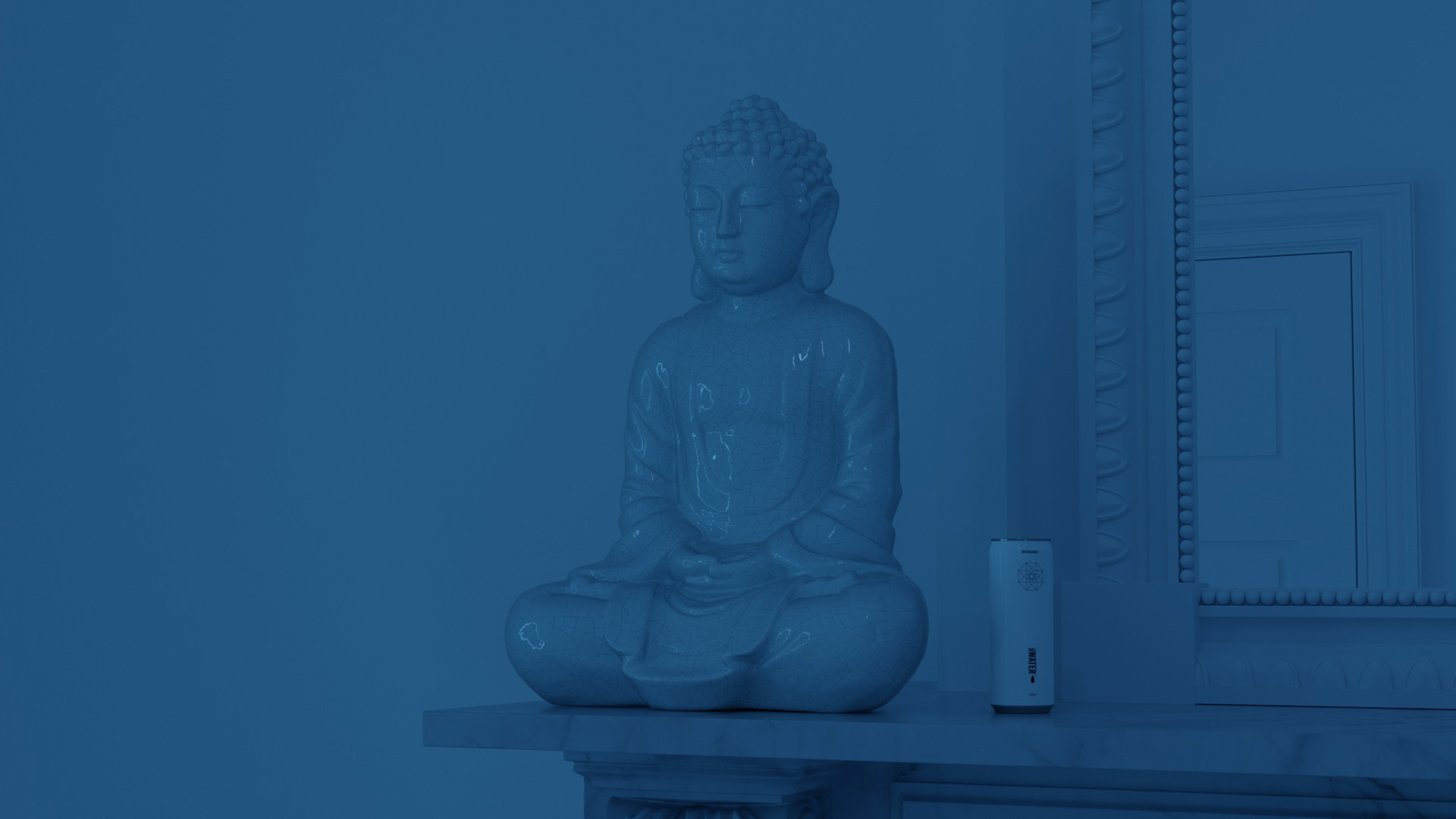
The Anointing Water

the anointing water

Under the Influence

under the influence

Archive, 2012–2020→

02 / studies · liquid light engine

Liquid Light Engine

contents
16 stills · 2 films · 1 material specification · 1 aesthetic profile
models
Gemini 3.1 Flash Image · FLUX.1 [dev] · SeedVR2 · Seedance 2.0
made with
ComfyUI · Python / PyTorch · Cursor · Claude Code · Antigravity · Comfy Bridge
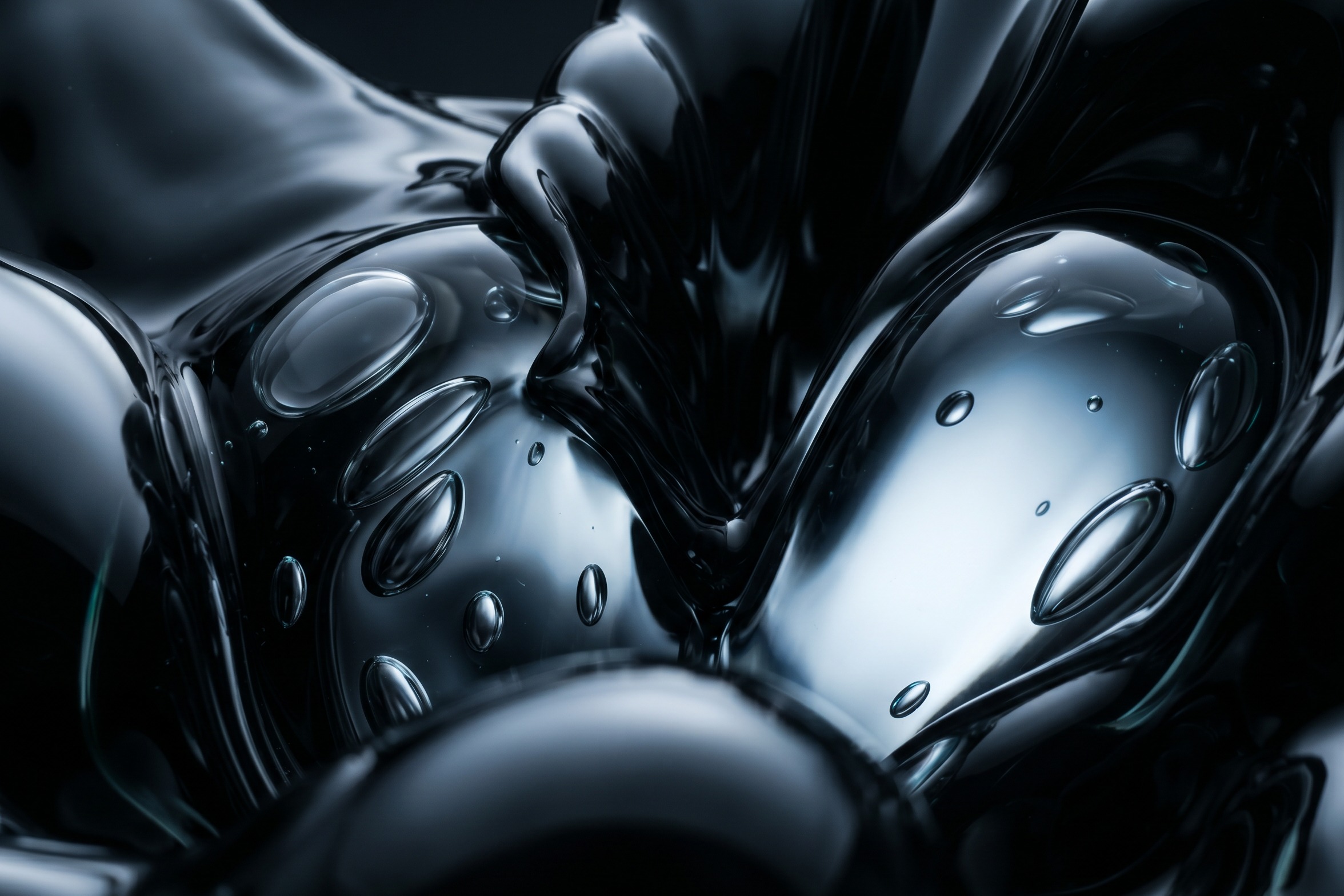
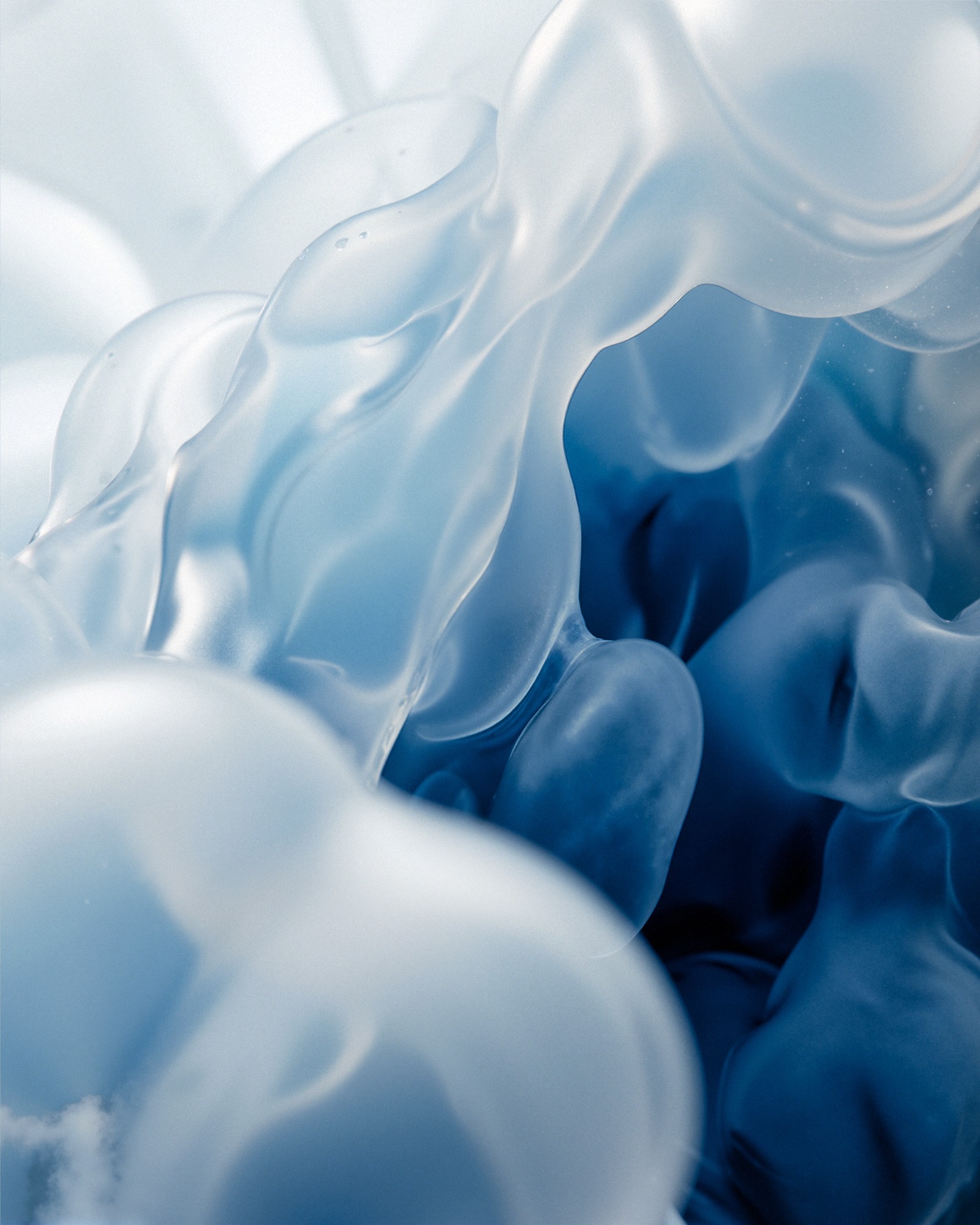
Liquid Light Engine — Translucent blue glass folding into soft chambers — the study’s type specimen

[fig. 1]type specimen

A study of optical material worlds generated from structured specifications rather than open prompts. Each image is compiled from rules governing opacity, viscosity, colour-by-thickness, reflection behaviour, and lighting constraints. The study traces Liquid Light Engine across sequence, library and loop.
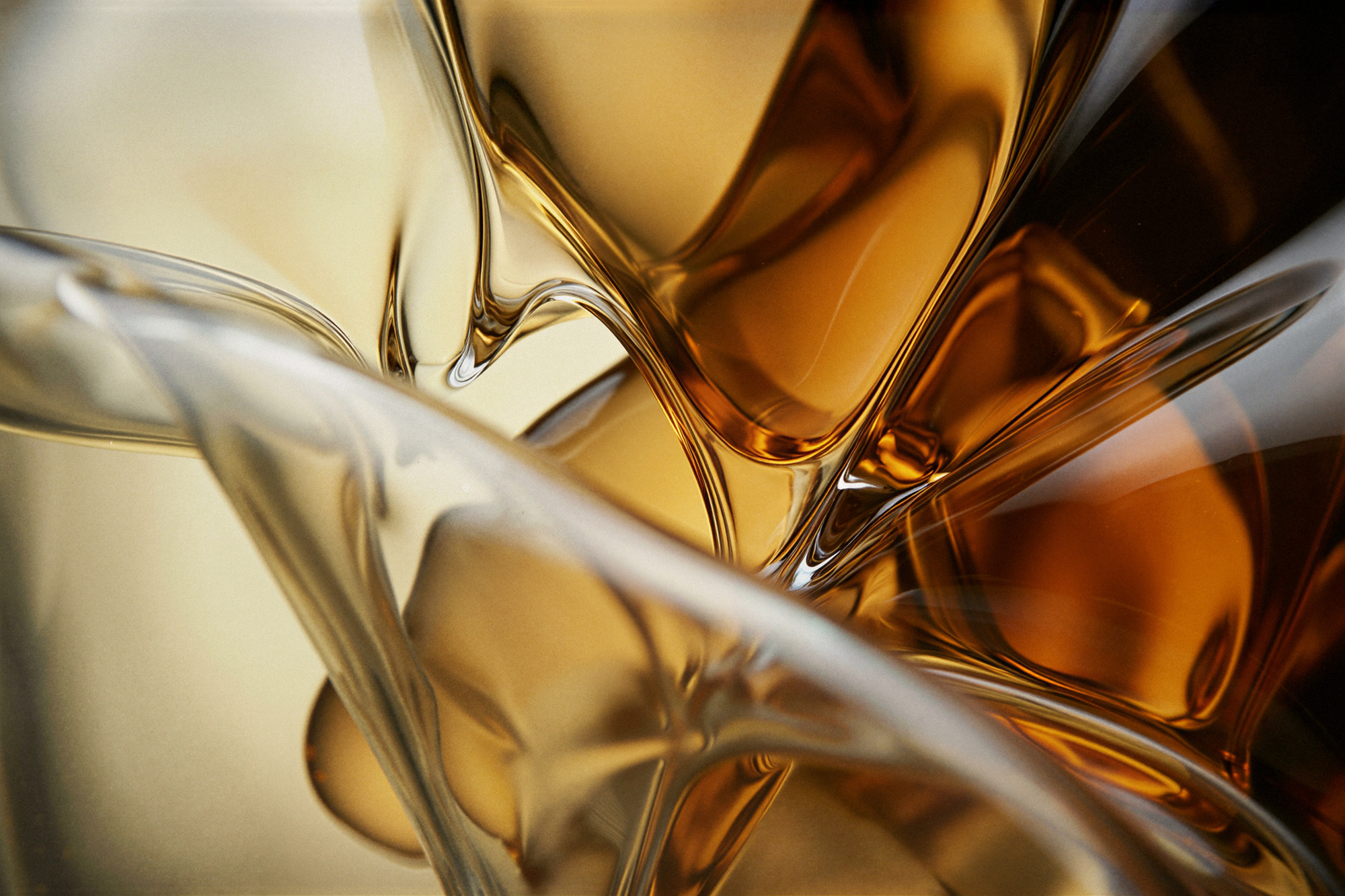
Liquid Light Engine — refraction: amber and clear glass folding through intersecting planes

[fig. 2]refraction

Ember Collection — Smoked Satin Weavea proven material specification
Hypothesis

The dark weave photographed through a satin skin — soft-edged bands of cold light tracing the sharpest creases while pervasive ember warmth transmits through the whole body: the ember world at its most luminous, its light at its softest.

Material
identity
deeply smoked dark optical glass · smoked glass gel · dark tortoiseshell glass
opacity
transparent-tinted
finish
satin
hue axis
smoked amber into ink black, with cold steel-blue-white surface reflections
thin
luminous glowing amber flooding through the thinner passages and between the folds
mid
deep smoked umber
thick
ink black at the core of the thickest tongues
highlight
cold steel-blue white, soft-edged, surface reflections only — reflections never warm, the inner glow never cool
forbidden
red · magenta · green · warmth in any surface reflection · coolness in any transmitted glow
Energy and form
viscosity
5
state
churn
form
an open interlaced crossing of thick smooth tongues
events
one continuous mass folding over itself in open interlaced crossings · thick tongues coiling across one another with smooth crease lines · luminous passages opening between the folds
Light behaviour
regime
soft-milky
notes
the satin surface spreads every reflection into a soft-edged form, but the tight curvature keeps each one narrow — slender feathered bands of cold light tracing the crease lines, soft in edge, precise in placement; broader gentle sheens on the flatter passages. The only crisp light in the frame is the paired meniscus rims of the trapped-air ovals — glass-sharp accents certifying the surface, never spreading beyond their rims.
Internal structure
bubbles
moderate
dark masses
present
inclusions
large flattened trapped-air ovals with doubled meniscus rims, dragged and tilted by the folding — plus isolated concentrations of ember glow deep in the body where thin passages align
Tonal field and exclusions
key
mid
range
wide
edge
falls gently darker toward the corners, the field continuing beyond every edge
composition
all-over
exclude
ropes · ribbons · strands · cords · woven textile · latex · rubber · PVC · vinyl · fabric · fire · flames · lava · smoke · two separate materials · an amber background behind the material
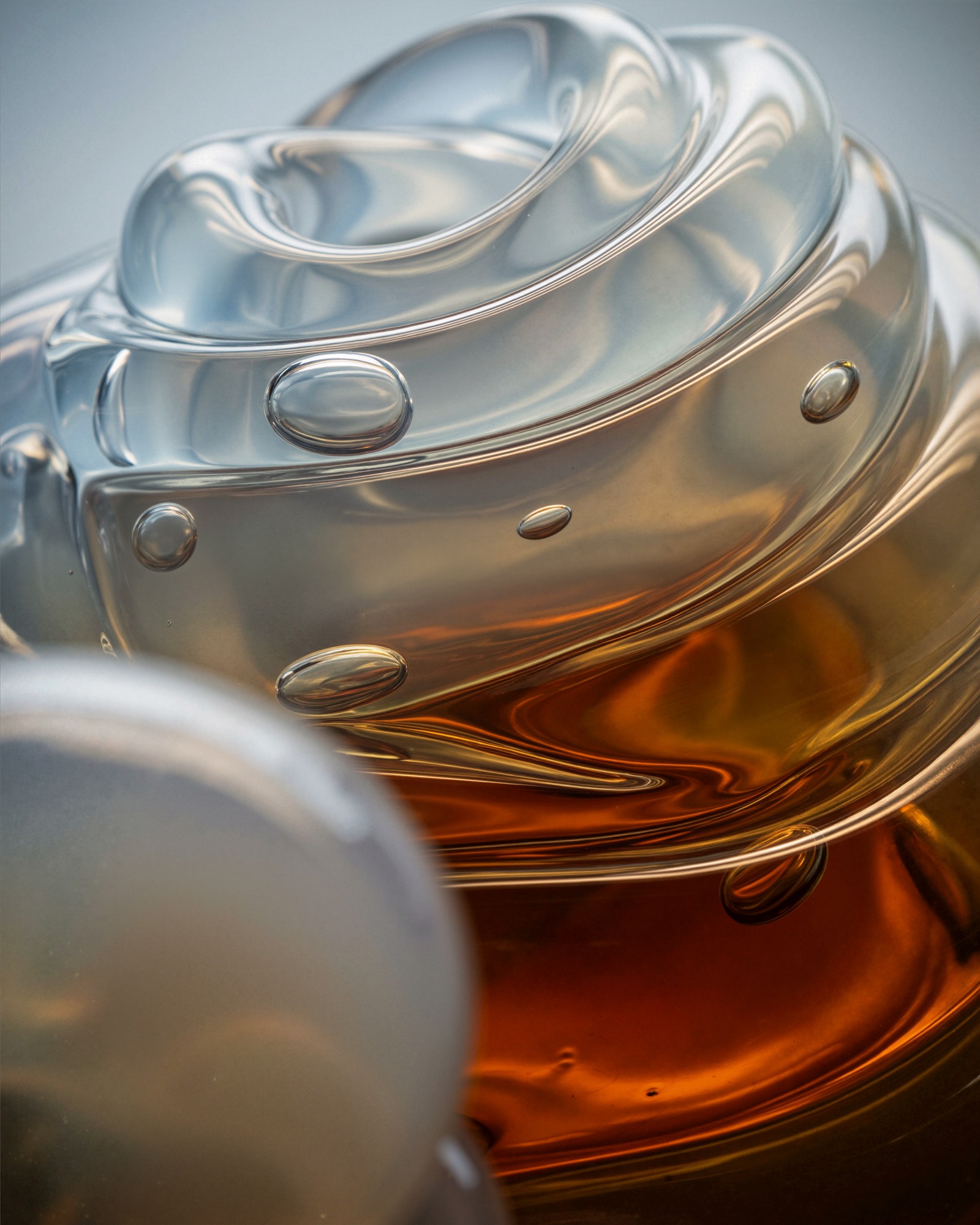
Liquid Light Engine — layered transparency: clear glass folding around an amber interior, with bubbles held as optical inclusions

[fig. 3]layered transparency

None of these are photographs of a material. Each frame is compiled from a written specification — opacity, viscosity, reflection behaviour, bubble logic — and rendered until the world obeys it.

Liquid Light Engine — colour follows thickness: near-black through the deepest forms, pale blue where the material thins

[fig. 4]colour by thickness

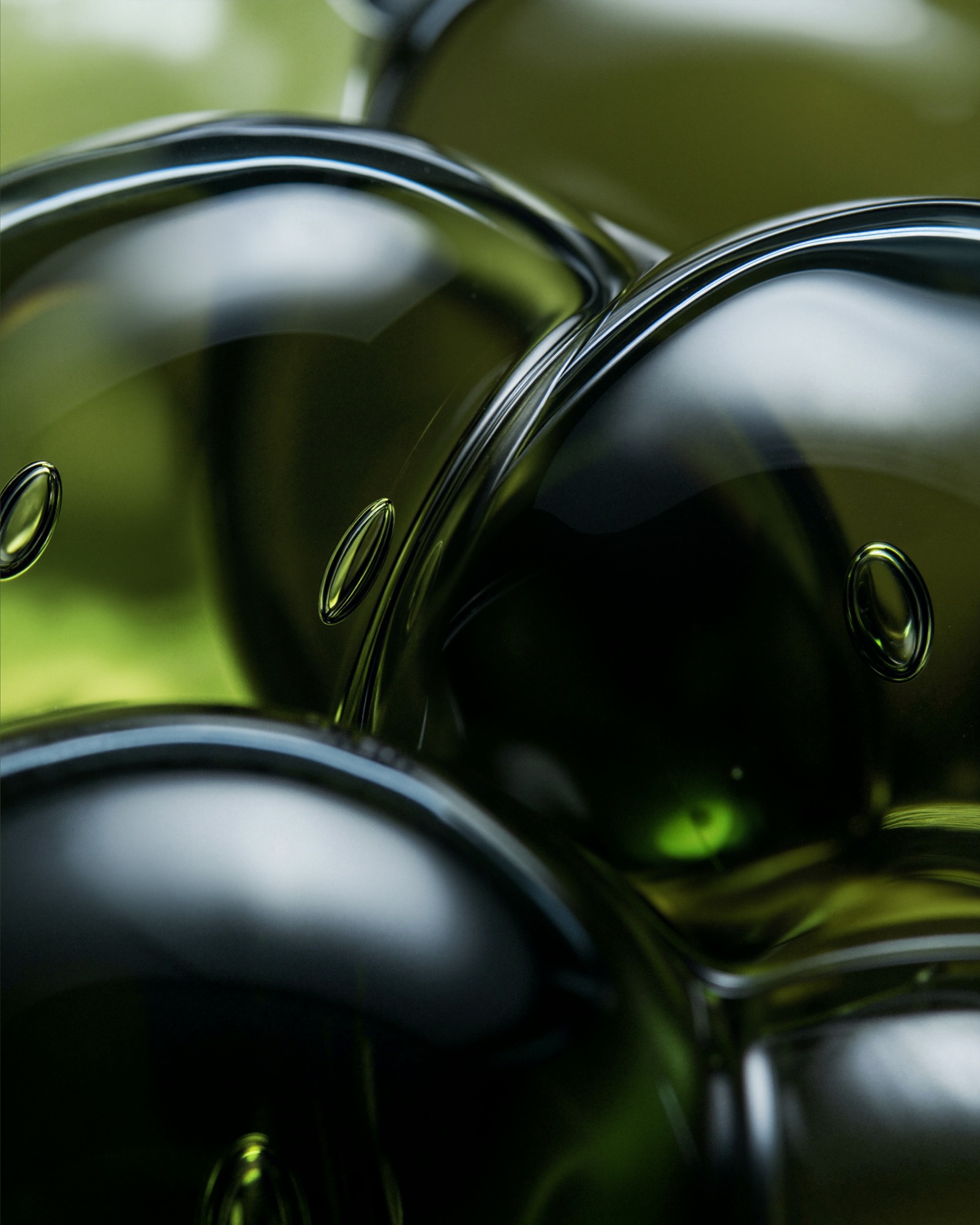
Liquid Light Engine — bubble logic: lens-like inclusions suspended within deep olive glass, carrying highlights through the mass

[fig. 5]bubble logic

The study began as an attempt to reproduce the depth and behaviour of physical materials through AI image generation, drawing on real-world references and an existing knowledge of studio lighting. Once the results became convincing, the problem changed: it was no longer how to make one image, but how to make that material behaviour repeatable.

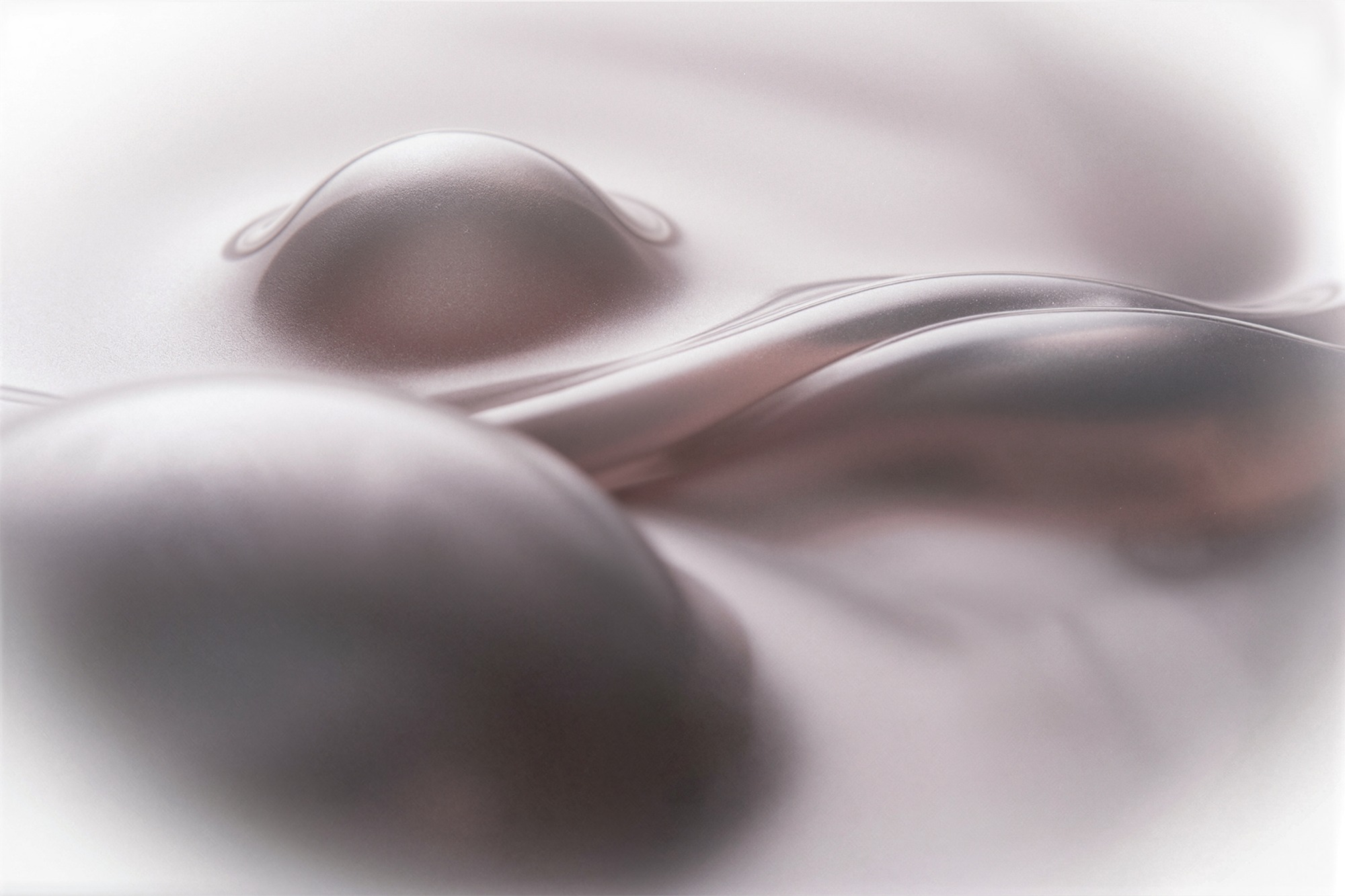
Liquid Light Engine — continuity: one material passing from dome to ridge to thin film, light held across each transition

[fig. 6]continuity

Prompts became rules. As those rules accumulated, it became clear they described different things that needed to remain separate: the physics of the material, the aesthetic conditions under which it was seen, and the specification of each individual world. Separating them gave clearer control and kept personal lighting preferences from being confused with the underlying material logic.

pl. i — specification library, ten worlds, one profile

Three layers remain separate: physics governs how light and matter behave, the aesthetic profile sets lighting, tone and exclusions, and each specification defines the material. Keeping them apart lets the substance change without losing the visual language.

Aesthetic

[doc. 1]aesthetic

hover for material — click to enlarge — arrows step through the grid

[fig. 7]one world, in motion